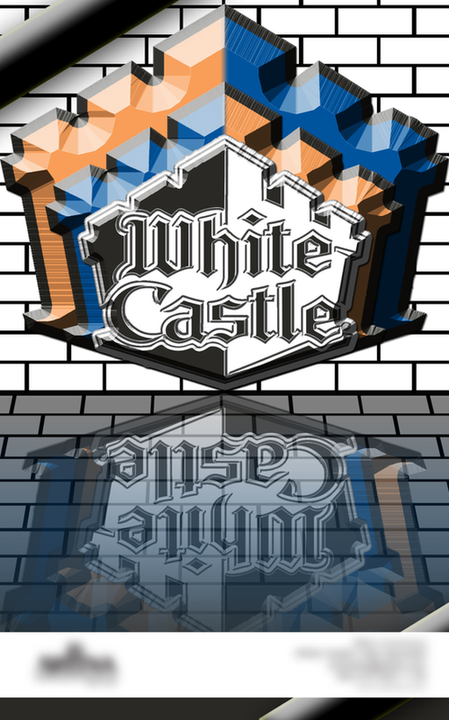
This system was built inside a multi-client promotional production environment where weekly brochure cycles had to clear on schedule while brand rules changed from one job to the next. Inputs were rarely complete in one pass: logos, product shots, pricing, and template slots arrived at different times, which meant execution could not assume a single clean source of truth at the start of the clock.
The failure pattern was inconsistency that scaled. Each client imposed different constraints on color, logo placement, spacing, and typographic hierarchy. A mistake in a constructed product visual did not stay local: it repeated across spreads and turned into rework, or into output that violated brand rules. When throughput is real and switching is constant, the workflow fails if judgment is only in your head and nothing in the structure prevents errors from propagating.
I treated execution as a constraint system first. Guidelines defined what compliant meant for each identity; templates defined where content had to land and how pages were allowed to relate. Between those boundaries, the work was to build product visuals that already read as production-ready before they entered the page, so layout became assembly and verification instead of rescue. Brand switching stayed bounded because the steps were repeatable: interpret rules, construct assets, align color and logo treatment, then lock the result into the fixed brochure structure.
The outcome was more stable output under cognitive load: fewer propagating errors, less rework, and a mental model that stayed teachable across cycles. This case demonstrates how I build discipline in real production: operate inside the work, watch where drift repeats under pressure, then tighten the structure so quality does not depend on heroic attention alone.
Virtual asset construction
- Logos layered and transformed onto product images
- Product color variants selected for brand alignment
- Scale and placement adjusted for compliance
- Assets built to read production-ready before layout
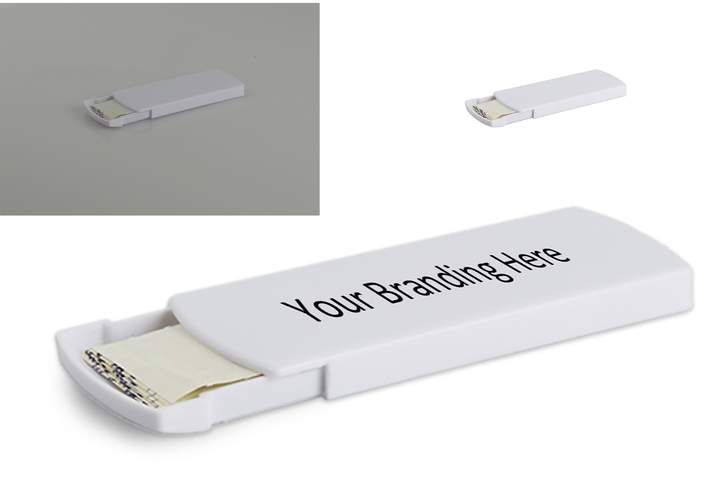
Brochure system
- 10 to 20 brochures per cycle
- Fixed eight-page format with cover
- Manual assembly inside template
- Multiple branded products per spread
- Consistent typography, spacing, and hierarchy
Creative decision-making
- Cover work required controlled judgment inside brand boundaries
- Visual direction chosen within established tone and hierarchy
- Layout and imagery aligned with each client system
Supporting Output: Multi-Brand Brochure System
Representative outputs from the system, showing consistent execution across different brand identities.
Cover and interior examples are displayed with permission as evidence of production execution. Brand identities and supplied source assets remain the property of their respective owners. This case documents my execution within established systems and does not claim authorship of the underlying brands or campaigns.
Flyer output
American Products flyer
Single-sheet promotional flyer from the same construction discipline: typography and layout aligned for production, with product and messaging held to the brief.
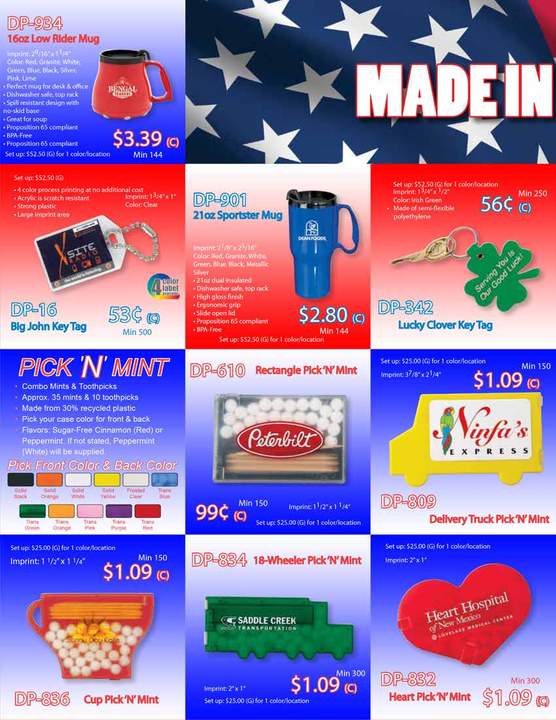
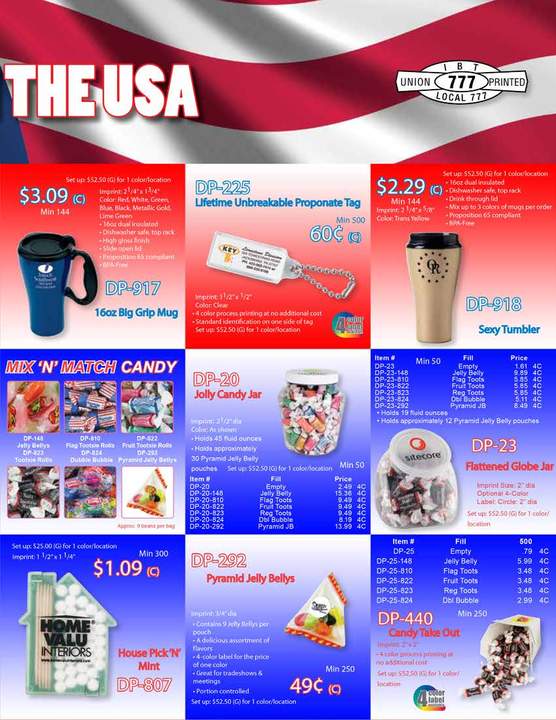
Additional flyer PDFs
Supplementary single-sheet PDFs from the same production context (opens in a new tab).