Before Pombrah became the publishing name, it was my artist identity. I wrote and produced the music, and I created a unique piece of release artwork for each song in Photoshop so the visual concept could carry the same mood or story as the composition.
Pombrah Music Publishing grew from the practical reality behind that artist work: making the music was only one part of releasing it independently. Every project also needed artwork, metadata, identifiers, ownership records, final masters, alternate files, distributor delivery, and enough organization to find the right material again months or years later.
The main risk was drift. A release could exist in several versions across a DAW, export folder, artwork folder, collaborator thread, and distribution platform. Without a clear current state, small inconsistencies became last-minute confusion or long-term catalog problems.
I built repeatable release habits around that work: document ownership early, keep current files distinguishable from experiments, prepare the same core deliverables each cycle, and organize the catalog for later use rather than only for release day. The result is not a large corporate publishing operation. It is an independent catalog managed with enough discipline to remain coherent over time.
Pombrah Brand Development
Pombrah first named my own artist project. As the work expanded from individual songs into releases, collaborations, rights, and long-term catalog management, the identity evolved with it and ultimately became Pombrah Music Publishing.
The history is not one logo being discarded for another. It is a working identity system: expressive launch artwork, purpose-built light- and dark-background variants, a simplified catalog mark, and a next-generation monogram now in development.
The launch system used illustrated speaker forms, flowing lettering, and music imagery to make the creative energy of the artist project visible. This version is designed for a white ground.

The full illustrative language remains, but the palette and line work are tuned for dark placement rather than inherited from the light version.
A second dark-ground treatment preserves the same hand-drawn forms when color is restricted or a quieter application is needed.
The current mark compresses Pombrah into a square, modular arrangement suited to catalog avatars and small digital applications.

The developing PM mark is intended to replace the large-O design. It joins the Pombrah initials in a quieter, more disciplined form and reflects a more mature phase of the identity—personally, as a father, and professionally, with greater experience and responsibility.
Design principle: The logo changes with its application, but the standard does not. Contrast, legibility, format, and the meaning of the mark are considered even when the work is personal rather than client-directed.
Release Identity
I created the Pombrah song artwork myself in Photoshop, treating each release as its own visual concept rather than applying one interchangeable template. The body of work connects composition and graphic design directly: each image had to express the project, survive platform crops, remain connected to the correct master and metadata, and still make sense when the release was revisited later.
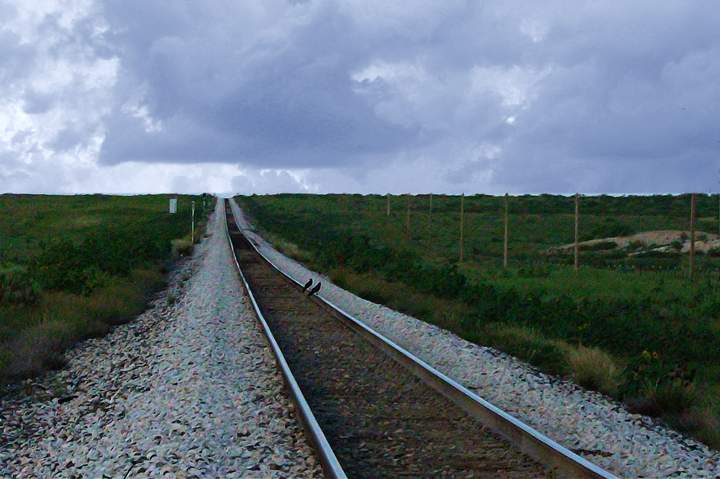
Some artwork begins with a planned visual direction. Other pieces begin with an opportunistic image that becomes useful through selection, composition, and interpretive color. The Birds on Railroad concept came from three quick source frames. I selected the image where the birds read most clearly, then shaped the sky and color into a finished release direction rather than treating the photograph as documentary evidence.



Early Production Archive
Before Pombrah became a publishing operation, the YouTube channel functioned as a public sketchbook for learning arrangement, programming, digital instruments, and release presentation. These selections are ordered as a progression, and each playlist opens on a representative track rather than simply defaulting to its first upload. The production boundary is important: the first two projects used royalty-free loops, while everything from The Last Winter onward was composed from my own parts using my own VST setups rather than loops.
DJ Mix was built entirely from royalty-free loops collected from different sources. I arranged them in Acid Pro, learning how timing, repetition, contrast, and section changes could turn isolated material into a complete sequence. Off Light is the clearest surviving example of that stage: rough, energetic, and close to drum and bass in its momentum.
Silver Stitches still used royalty-free loops as its foundation, but I began adding my own arrangements on top. Without a studio, MIDI setup, or proper recording chain, I played notes through a keyboard speaker, captured them with a microphone, and arranged those recordings one part at a time in Acid Pro. It was an improvised bridge between assembling existing material and writing complete instrumental parts myself. Unstoppable is the strongest musical introduction to that collection.
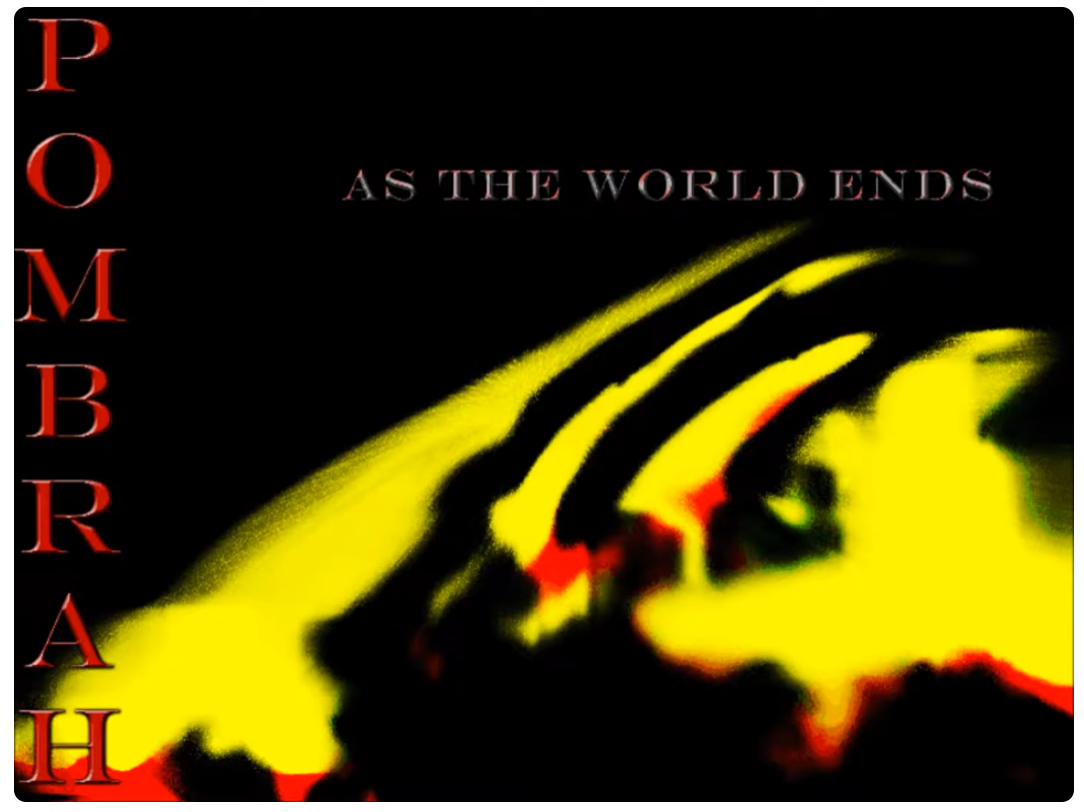
The Last Winter marks the clean break: my first album with a real Cubase DAW and VST setup, written and programmed entirely from my own parts with no loops. I was already treating the collection as an album before I began releasing music commercially. Everlast best represents the album musically; As the World Ends shows the more electronic and cinematic side of the same period.
For You, the final piece in that early playlist, became the bridge between those experiments and Pursuit of Happiness. It is where the separate lessons in arrangement, melody, atmosphere, and DAW control begin to read as one direction.
Open the 11-video album playlist · Hear the electro-cinematic As the World Ends
Why the rough work remains visible. The early recordings are not presented as polished current work. Their value is the distance they make audible: from rearranging royalty-free loops, to recording notes through a keyboard speaker with a microphone, to building complete original VST arrangements, and finally to the orchestral confidence of Triumph. Heard in sequence, the archive documents the actual weight of a lifetime spent learning music.
Album Artwork Across Eras
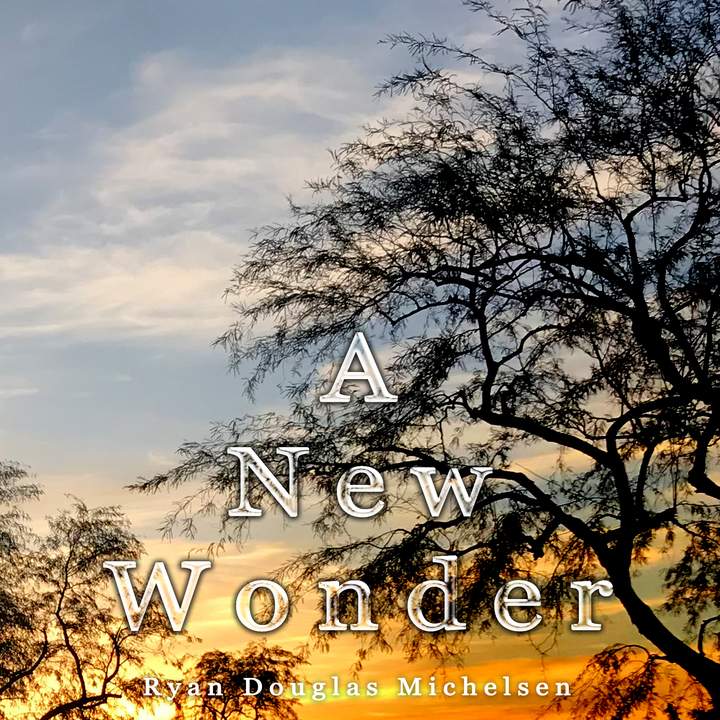
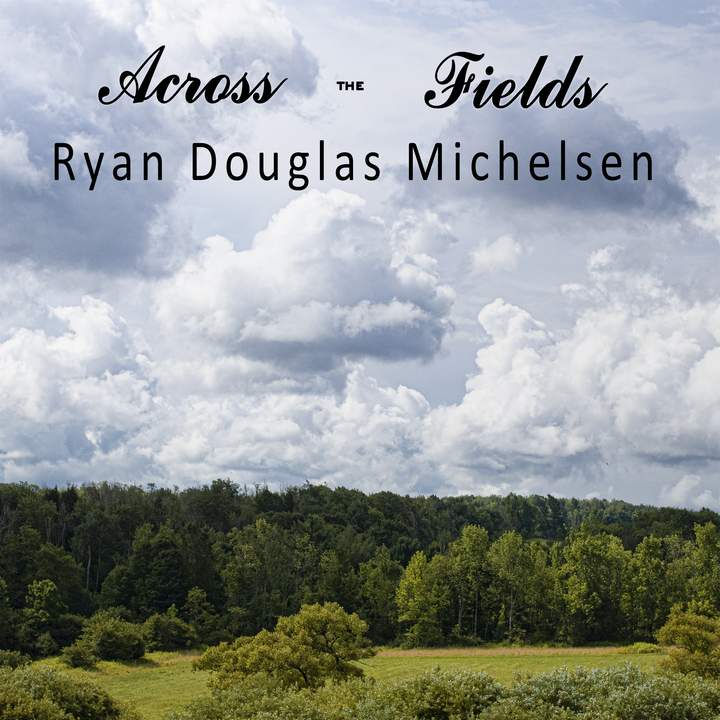
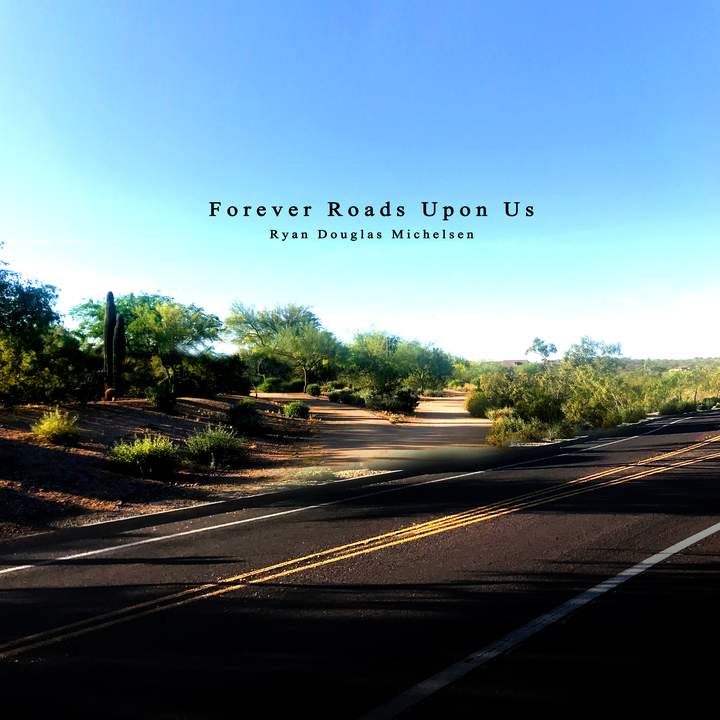
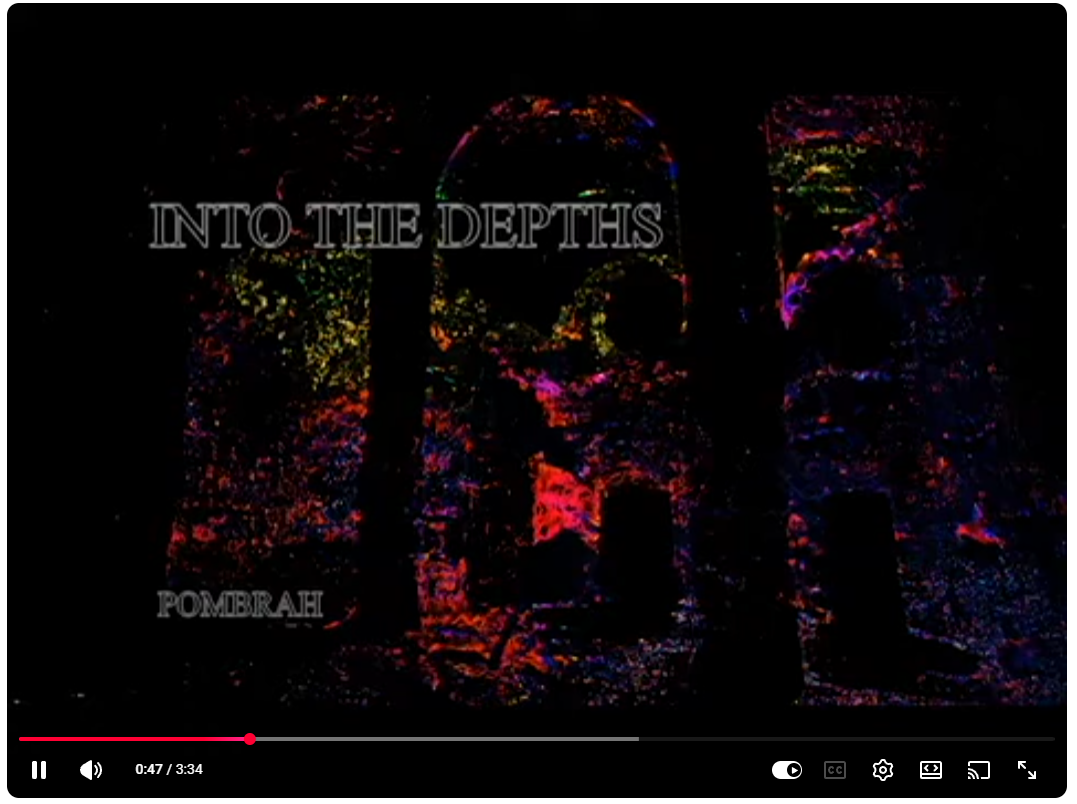
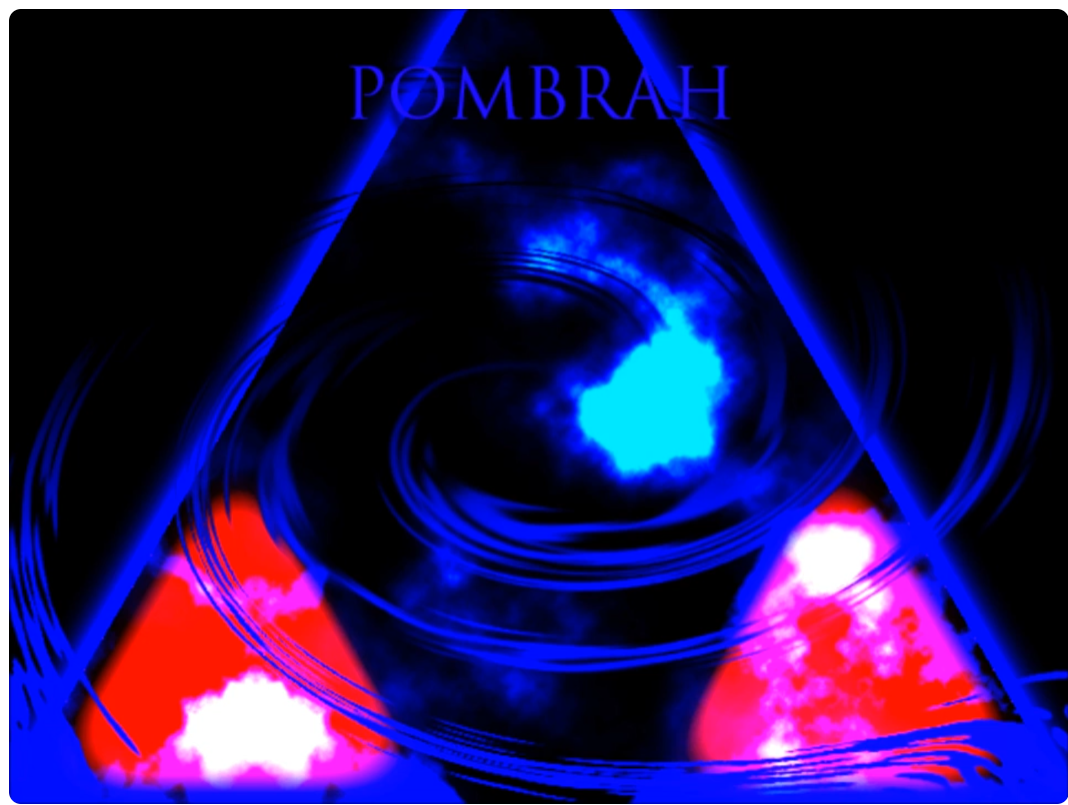
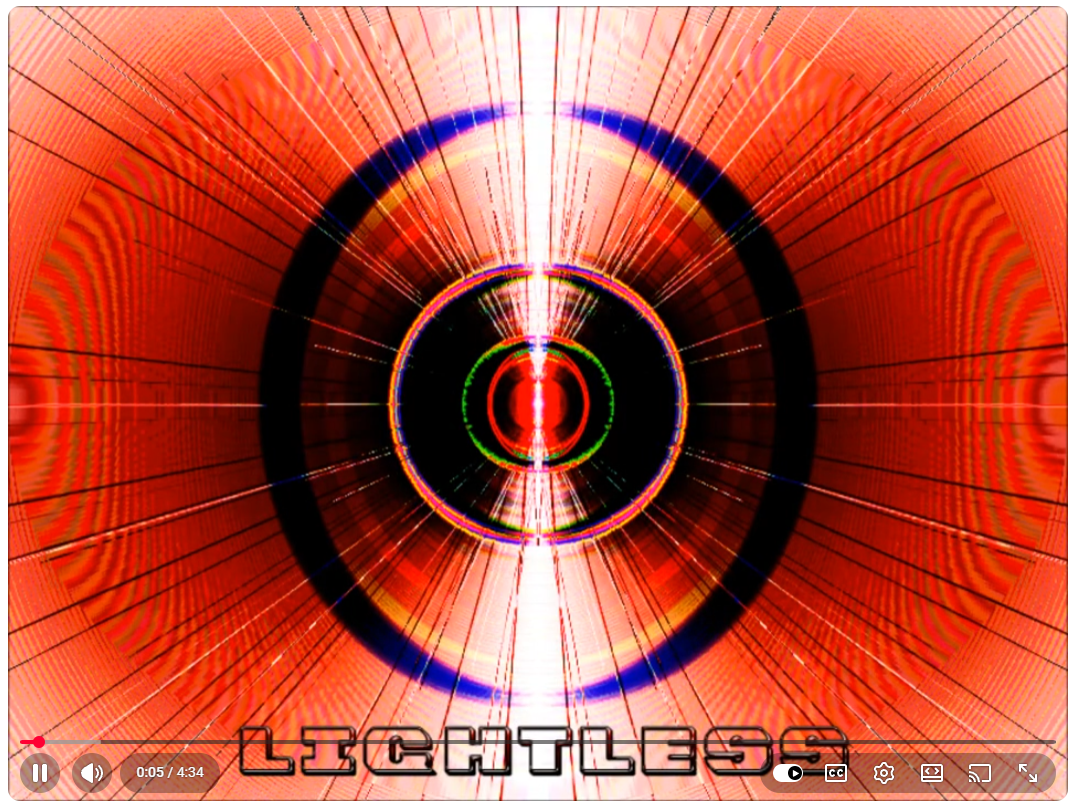
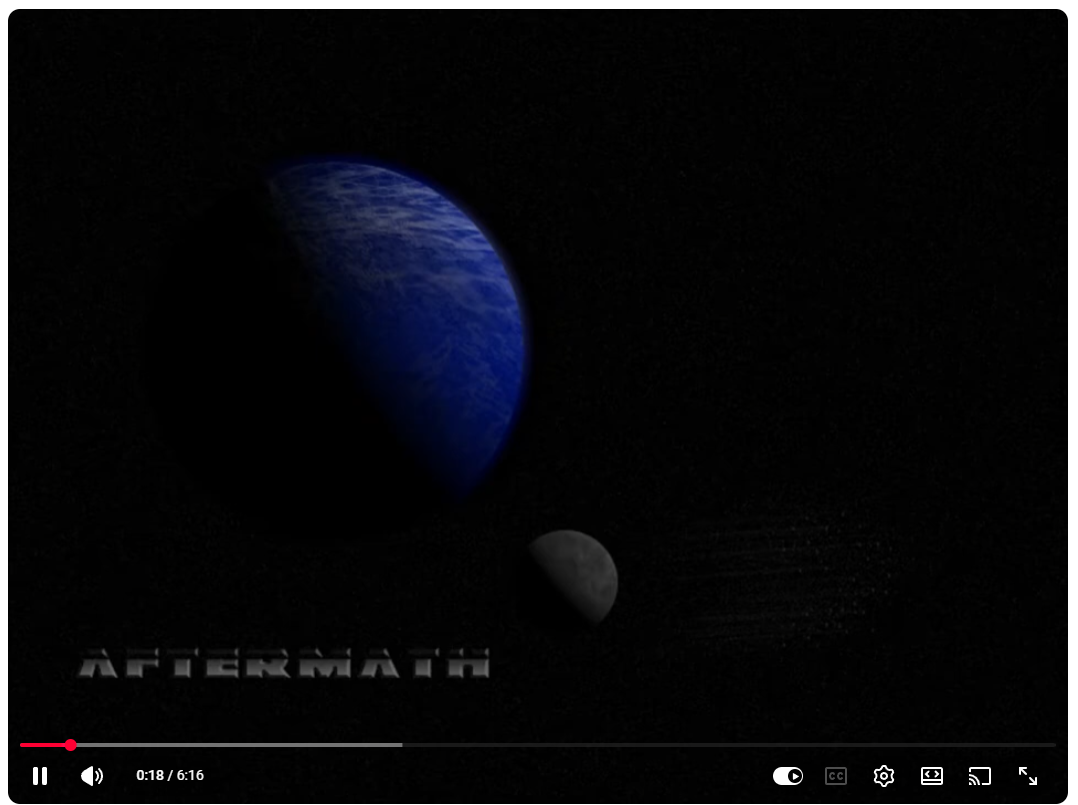
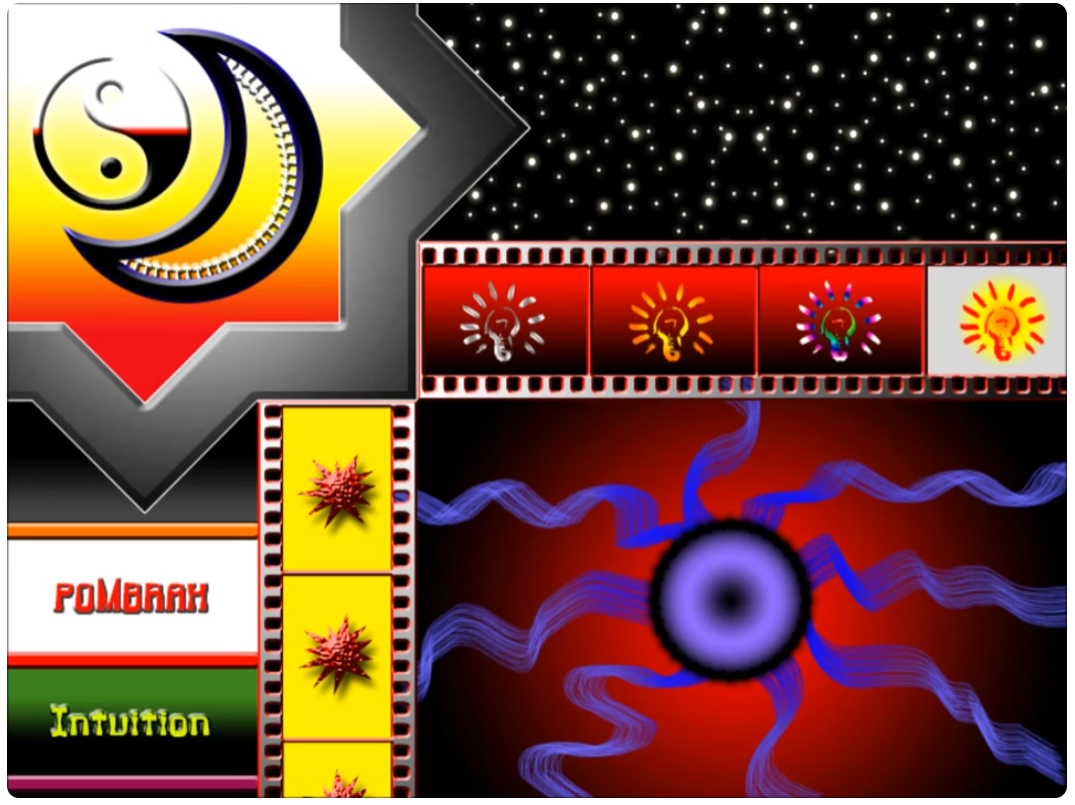
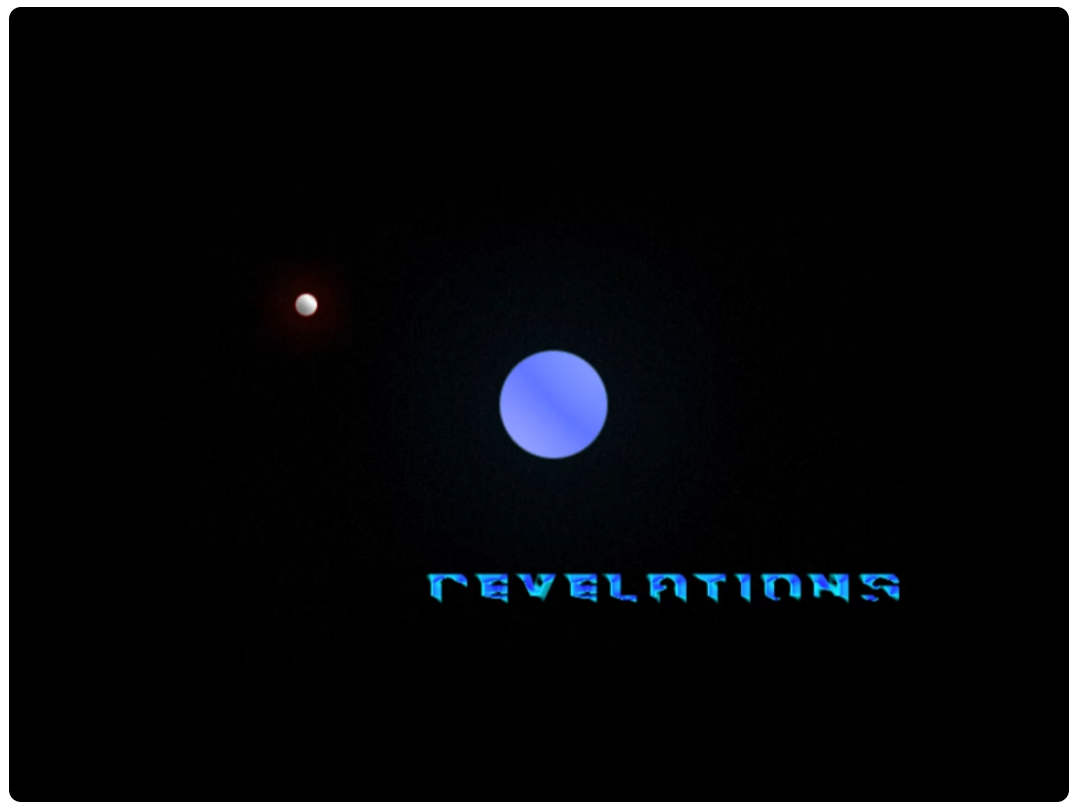
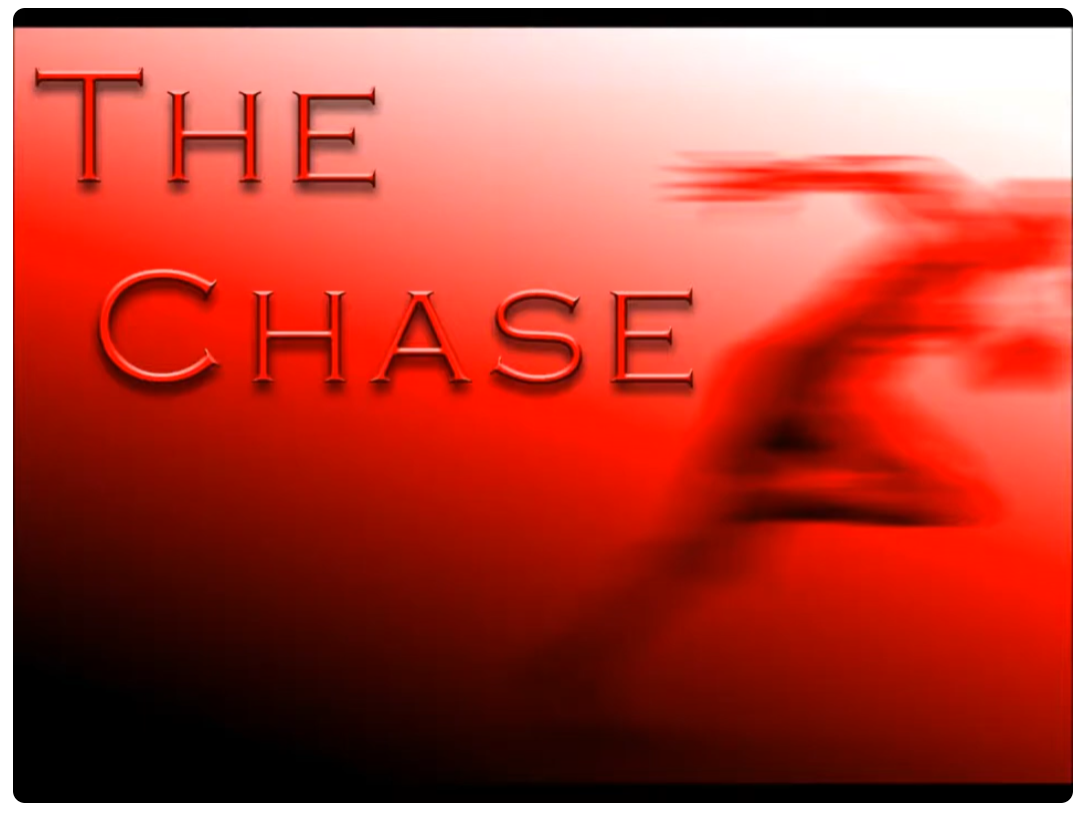
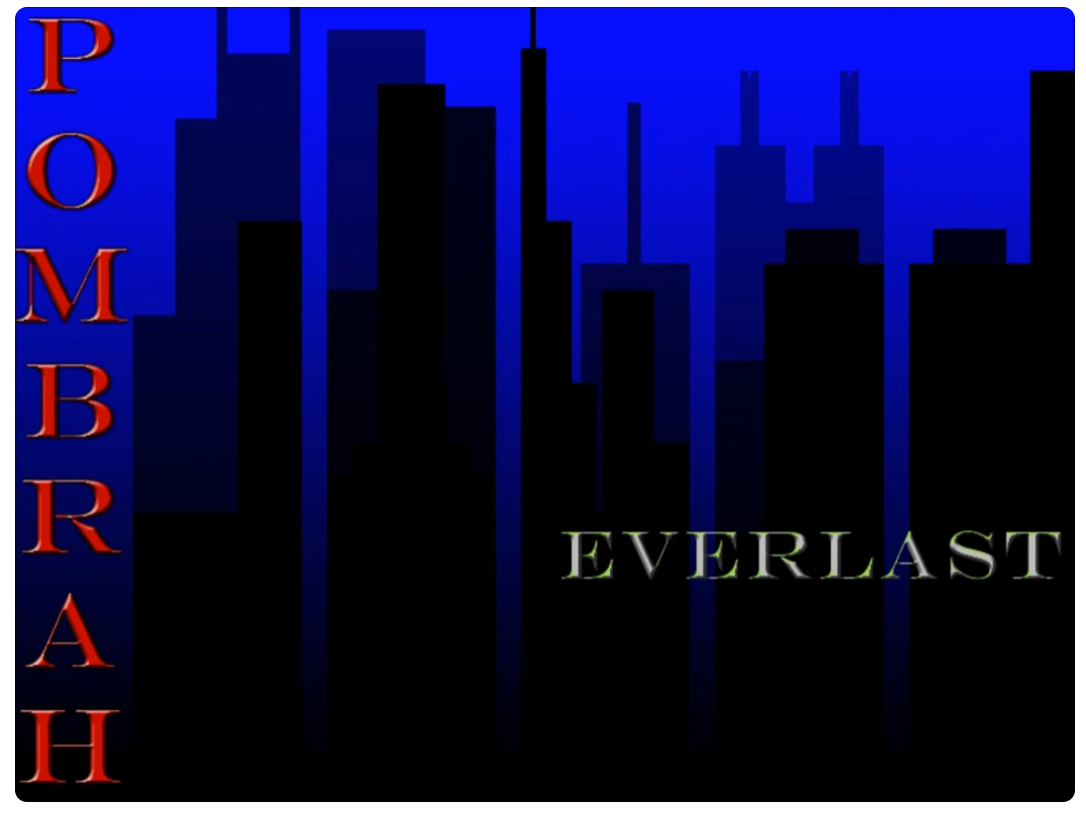
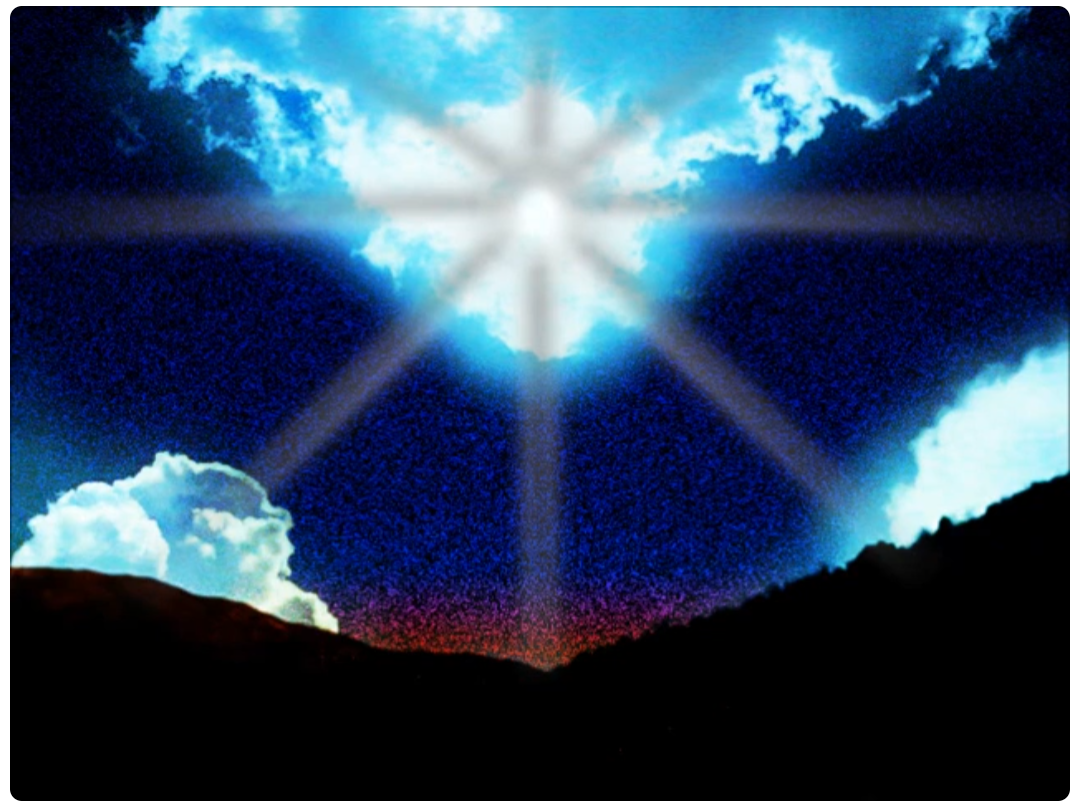
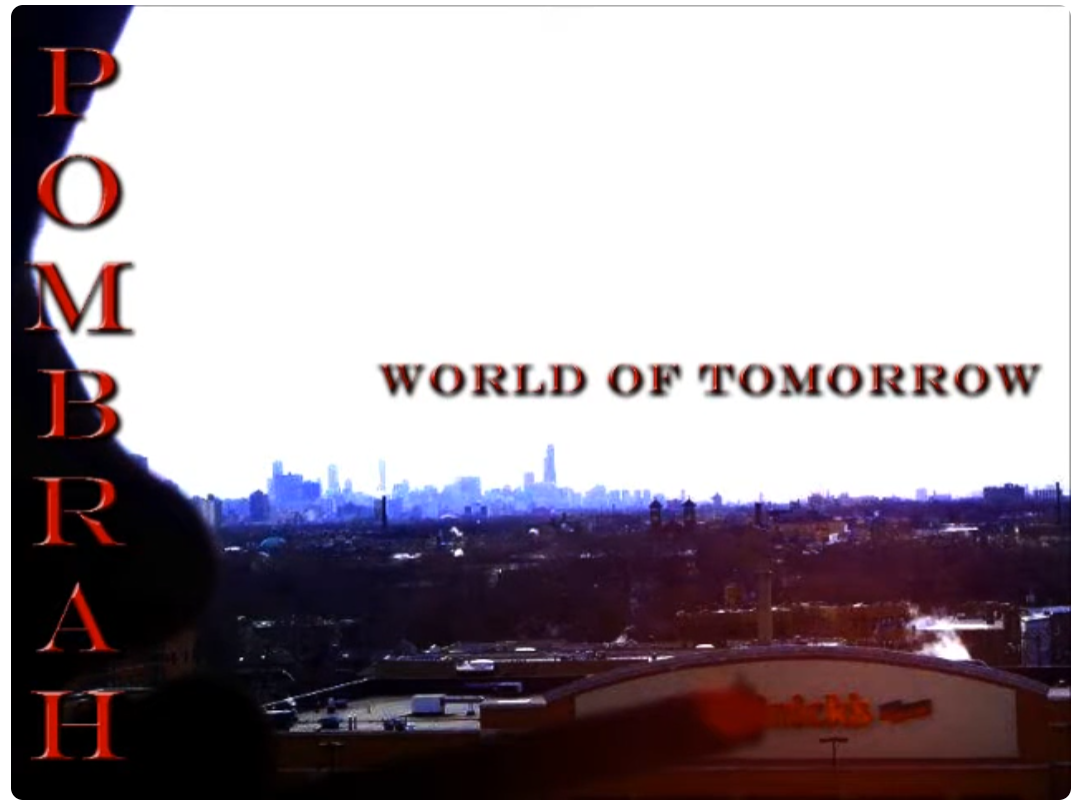
Making my own album artwork has been a continuous practice from the earliest Pombrah artist releases through the current catalog. The older work is more visibly experimental—high-contrast color, compositing, space, typography, photography, and abstract form—while later covers use the same concept-first approach with a more restrained production language.
The early images below are archival captures from the public videos in the selected playlist and channel archive above. The wall is a visual index rather than a detached image collection: each piece was made to give its song a distinct visual world.
Selected Catalog
These three releases show the larger arc more clearly than a general catalog list: the orchestral breakthrough, the first professionally released album, and the latest full-length orchestral work. Each still follows the same independent path from composition through artwork, documentation, and release.
Between Triumph and the present—especially after Pursuit of Happiness and before Requiem and Orchestrations—is a large run of singles, each built around a different instrumental or thematic idea. They are not leftovers between albums; they document sustained catalog development, with individual releases used to explore a mood, arrangement language, or production technique in a focused form.
Audience signal and release strategy. The title movement of Requiem passed 1,600 SoundCloud plays from a cold release by the time this page was prepared, meaningfully outperforming much of the surrounding catalog without an established launch audience. Spotify has not yet produced comparable discovery. That contrast isolates the present constraint: discovery and cross-platform transfer, not a shortage of finished work. Planned cover releases can provide a natural discovery path into an original catalog developed over ten professional years and more than twenty years of musical history.
Explore the earlier Pombrah playlists · View the later artist catalog and music videos · Hear Requiem and Orchestrations on SoundCloud