Controlled Capture and Product Photography
Product photography becomes unreliable when every frame starts from scratch. For repeat work, I establish the camera position, lens, framing limits, lighting, and background behavior before the first useful image is taken.
That consistency is not only aesthetic. It keeps crops, cutouts, retouching, and listing layouts comparable across a batch. When the inputs match, post-production can move quickly without turning every file into a separate rescue job.
Capture Pipeline
At higher volume, the capture setup becomes the first production gate. Files need to arrive cutout-ready, consistently framed, and organized well enough that later work can be batched safely.
I keep naming, folders, and setup patterns predictable across reshoots, catalog updates, and different locations. The goal is to solve as much as possible before post-production while leaving room for human judgment on edge cases and final look decisions.
Mass Image Production
Promotional product photography behaves more like a production line than a one-off studio session. Repeated staging and controlled lighting matter because consistency across the full batch is as important as any single hero image.
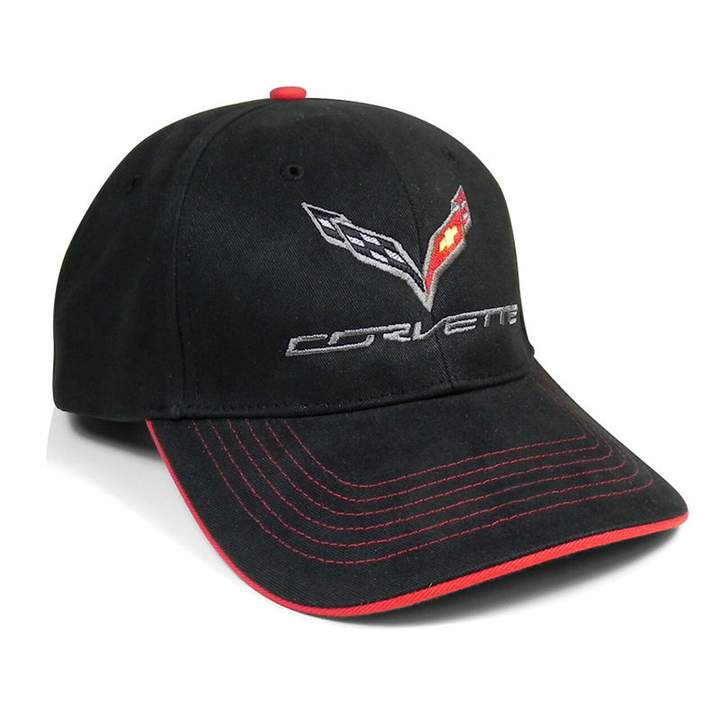
Distributor Intake & Spec Alignment
External delivery standards leave little room for casual variation. A small shift in framing, background behavior, file organization, or crop can become rework once the images enter a retailer, distributor, or client asset library.
I work backward from the destination: control the capture, keep the file state obvious, and prepare outputs that can be reviewed against the same expectation. That makes handoff a quality check rather than a search for what went wrong.
Photography Collections
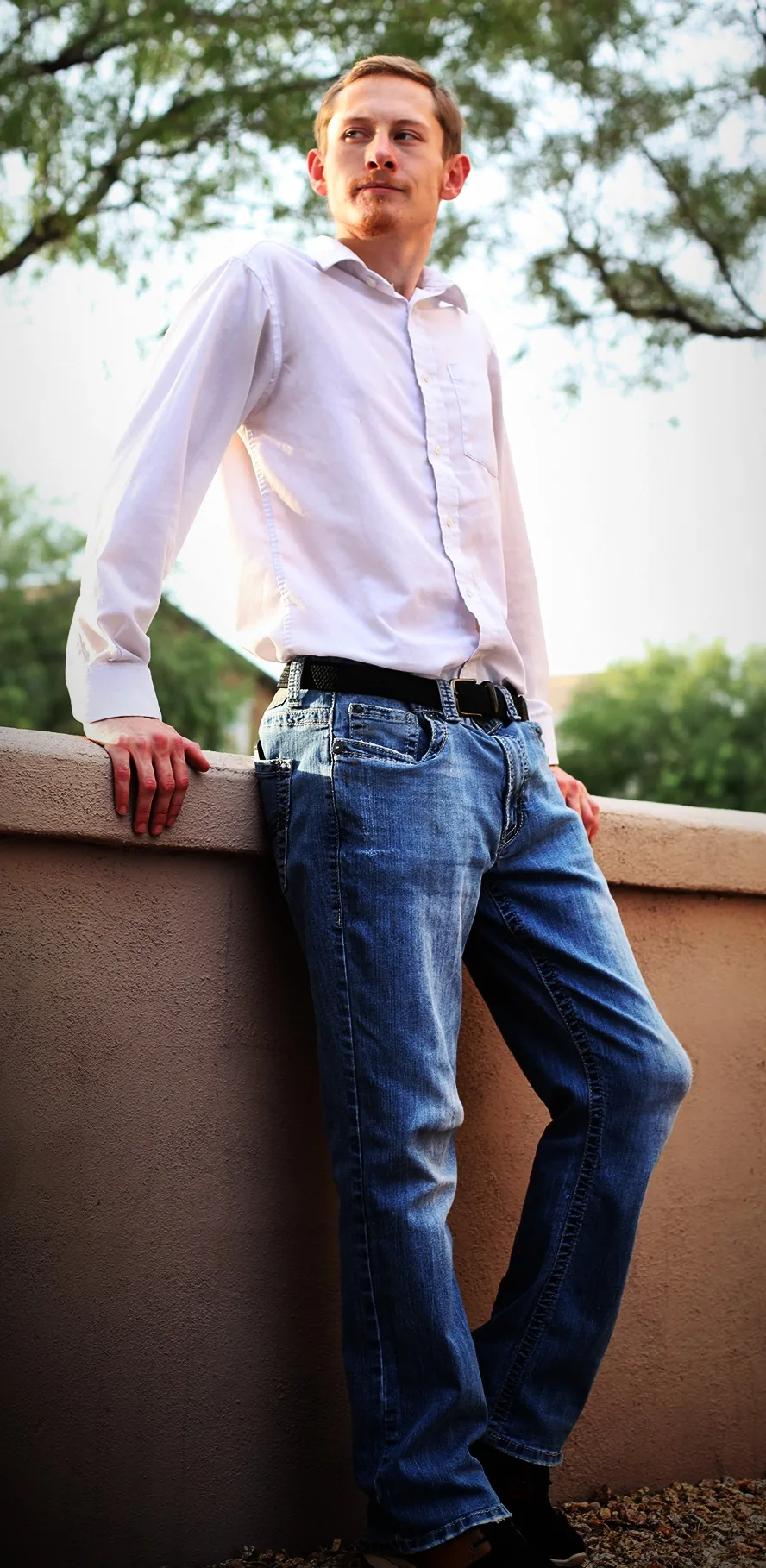
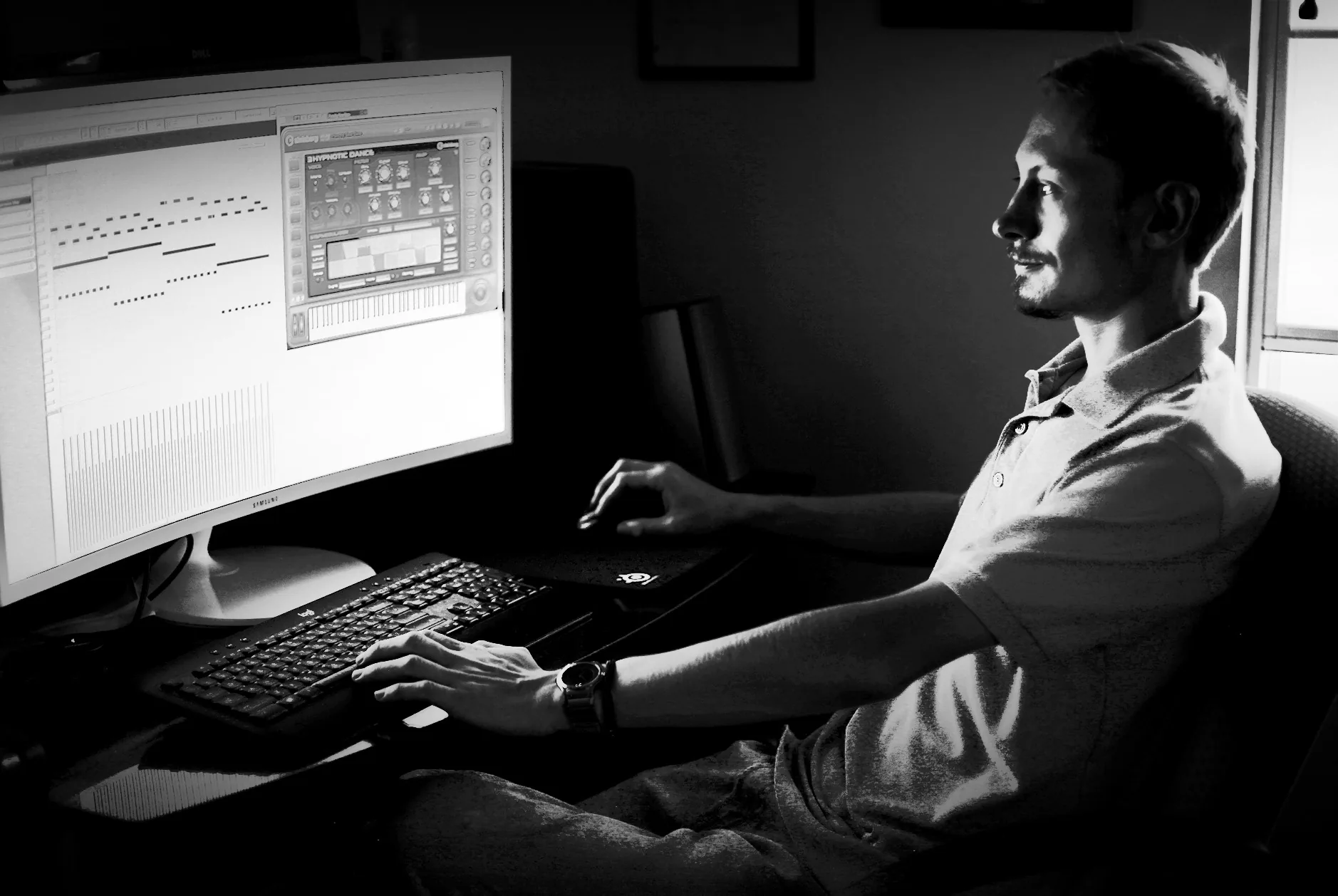
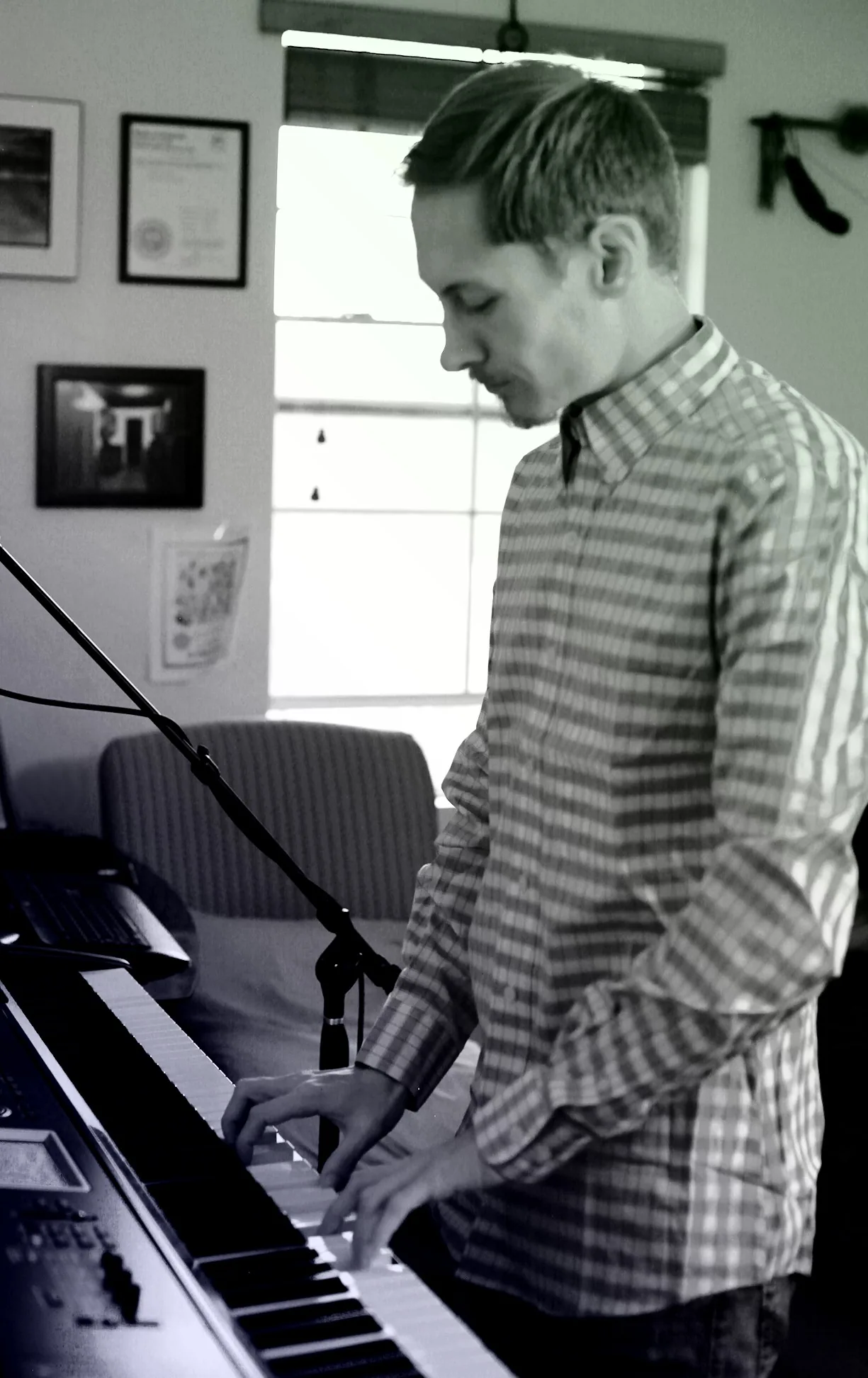
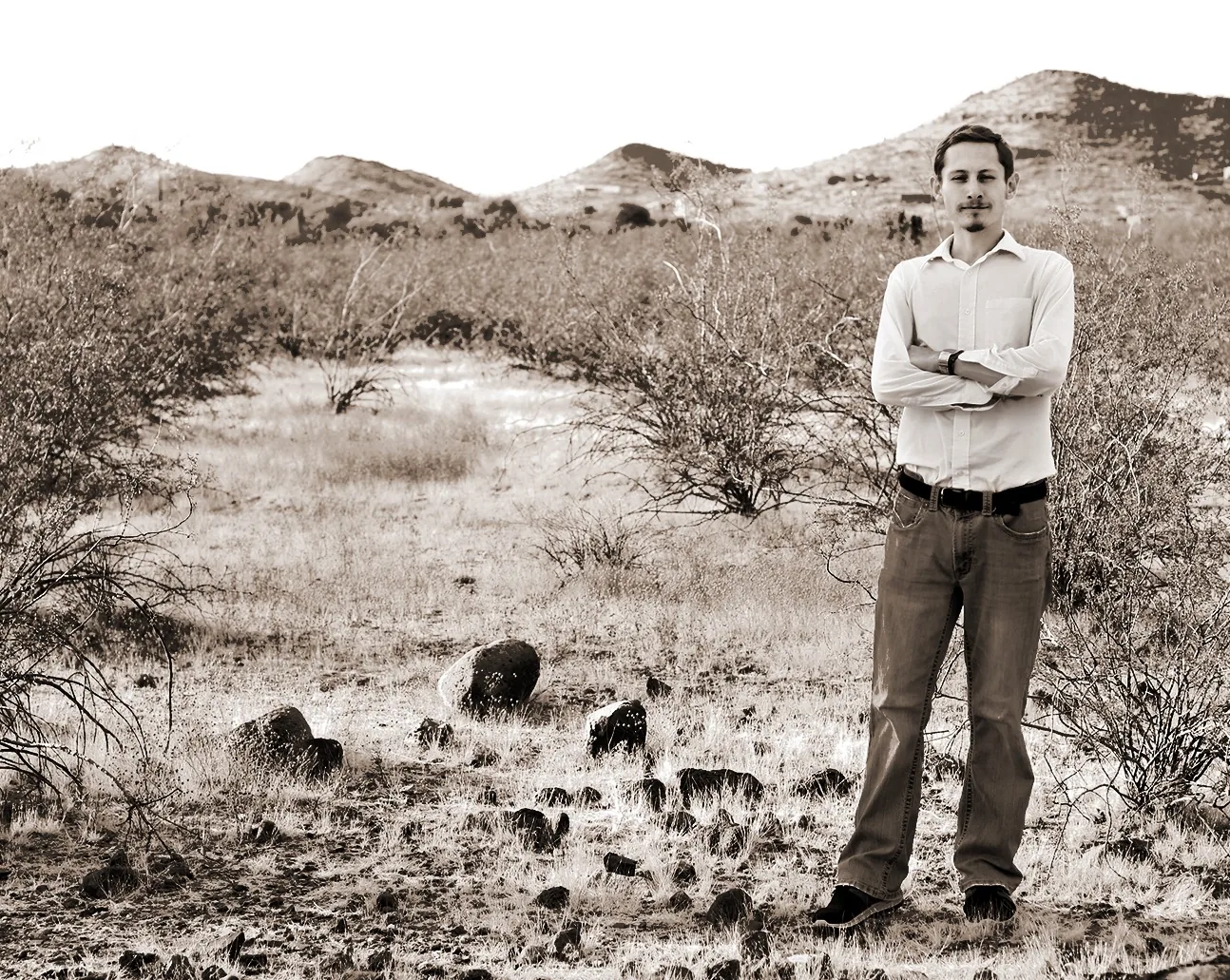
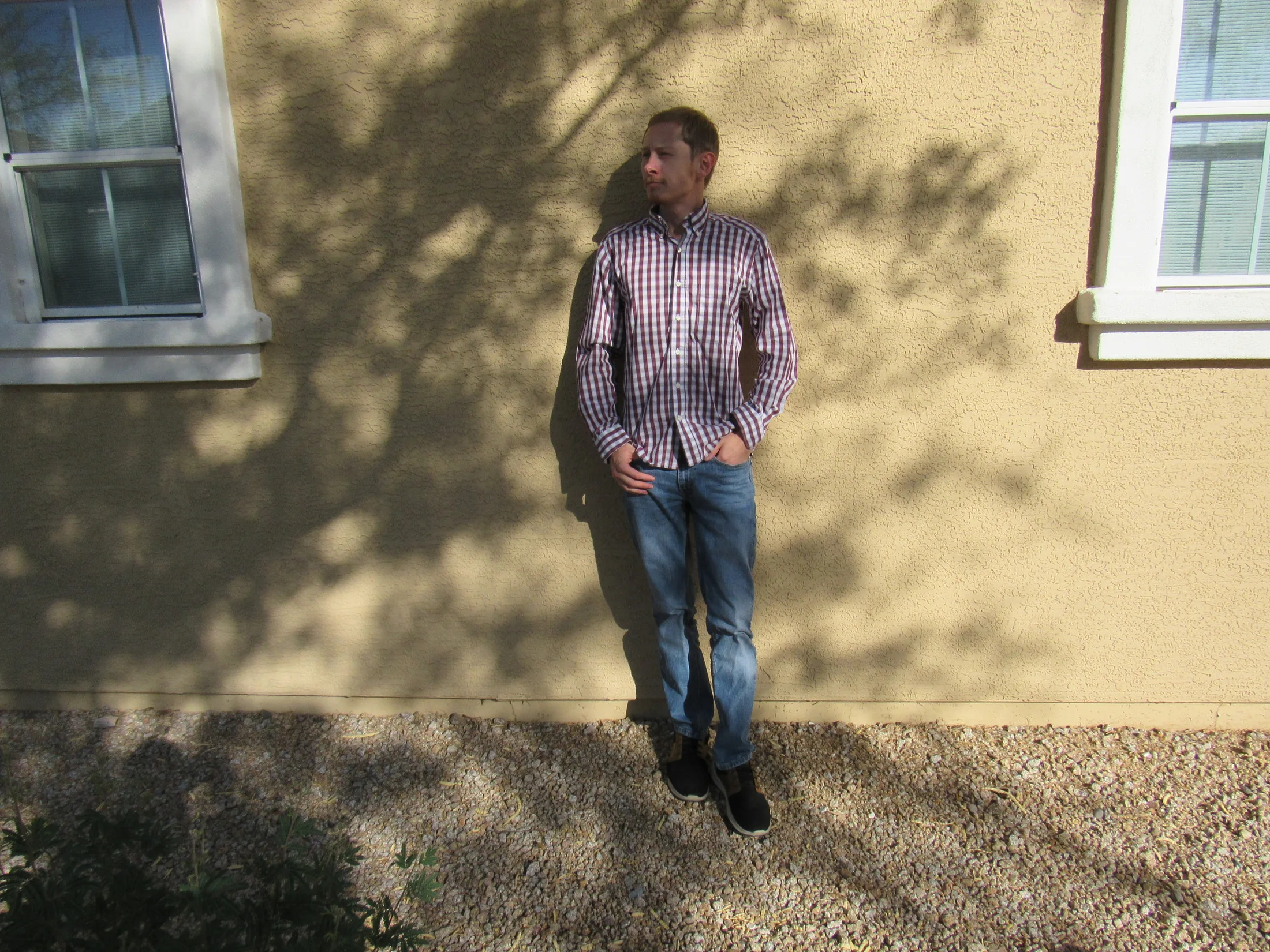
The portfolio opens by category so each kind of work can be evaluated on its own terms. Select a collection to see the deeper edit, then select any image to view it full size. Portrait subjects shown here are limited to my own self-directed sessions; client portrait work remains private.
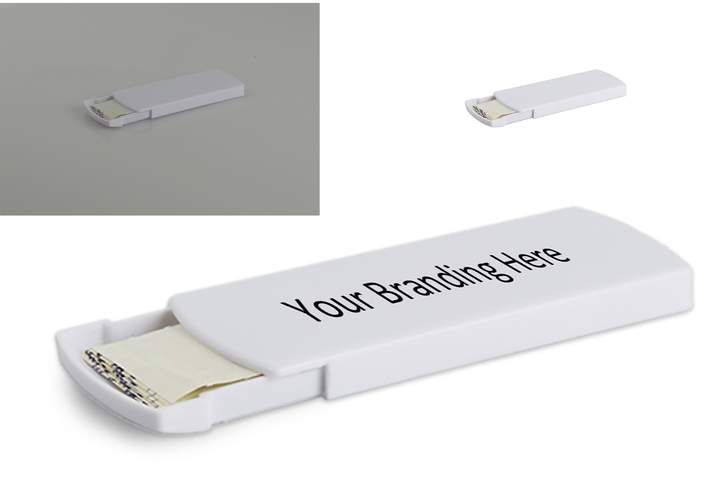
Controlled capture · 2 studies
Product & Catalog
Repeatable framing, clean backgrounds, and source files prepared for cutout, branding, and listing workflows.
Open collection
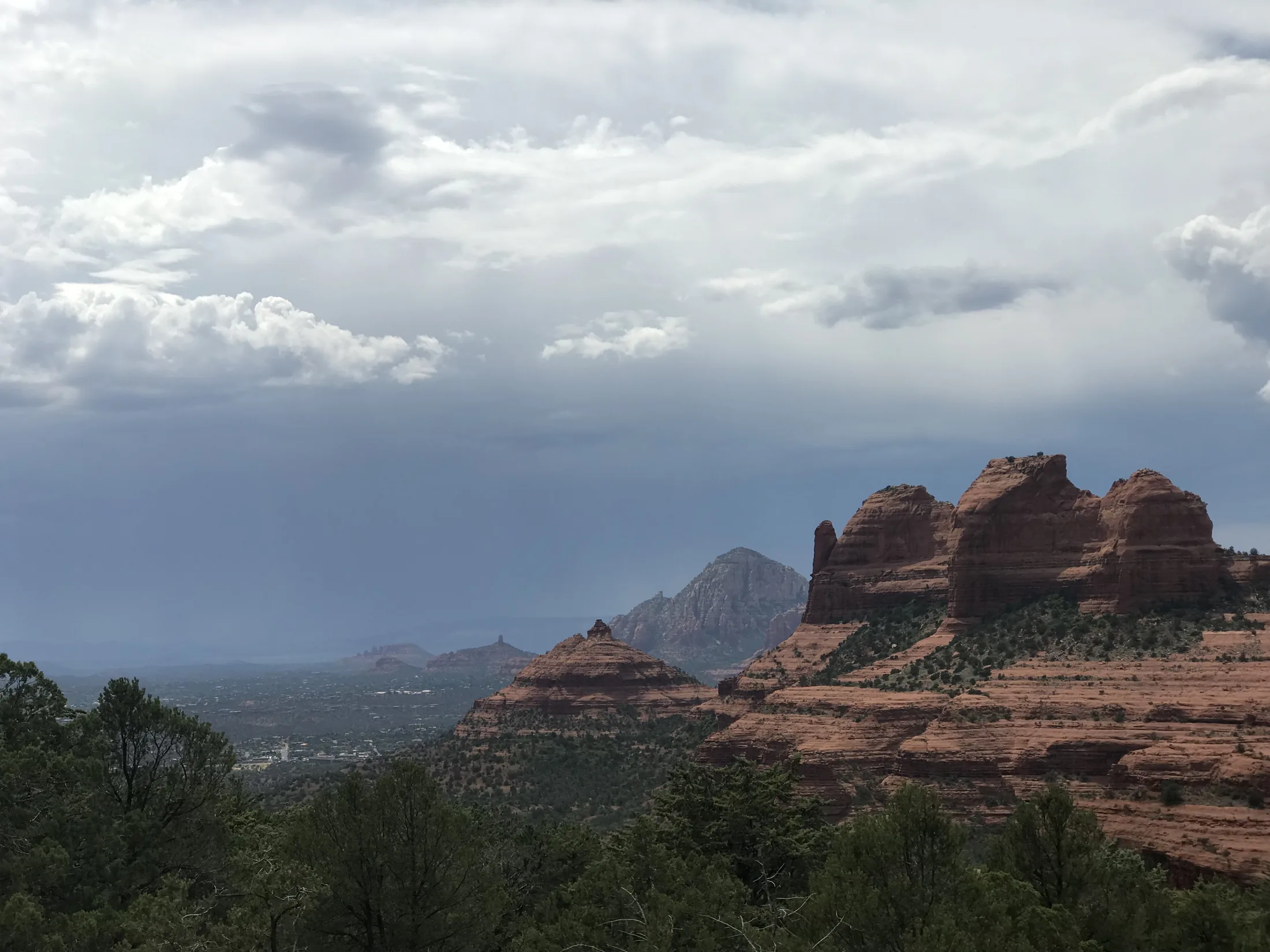 Available light · 7 frames
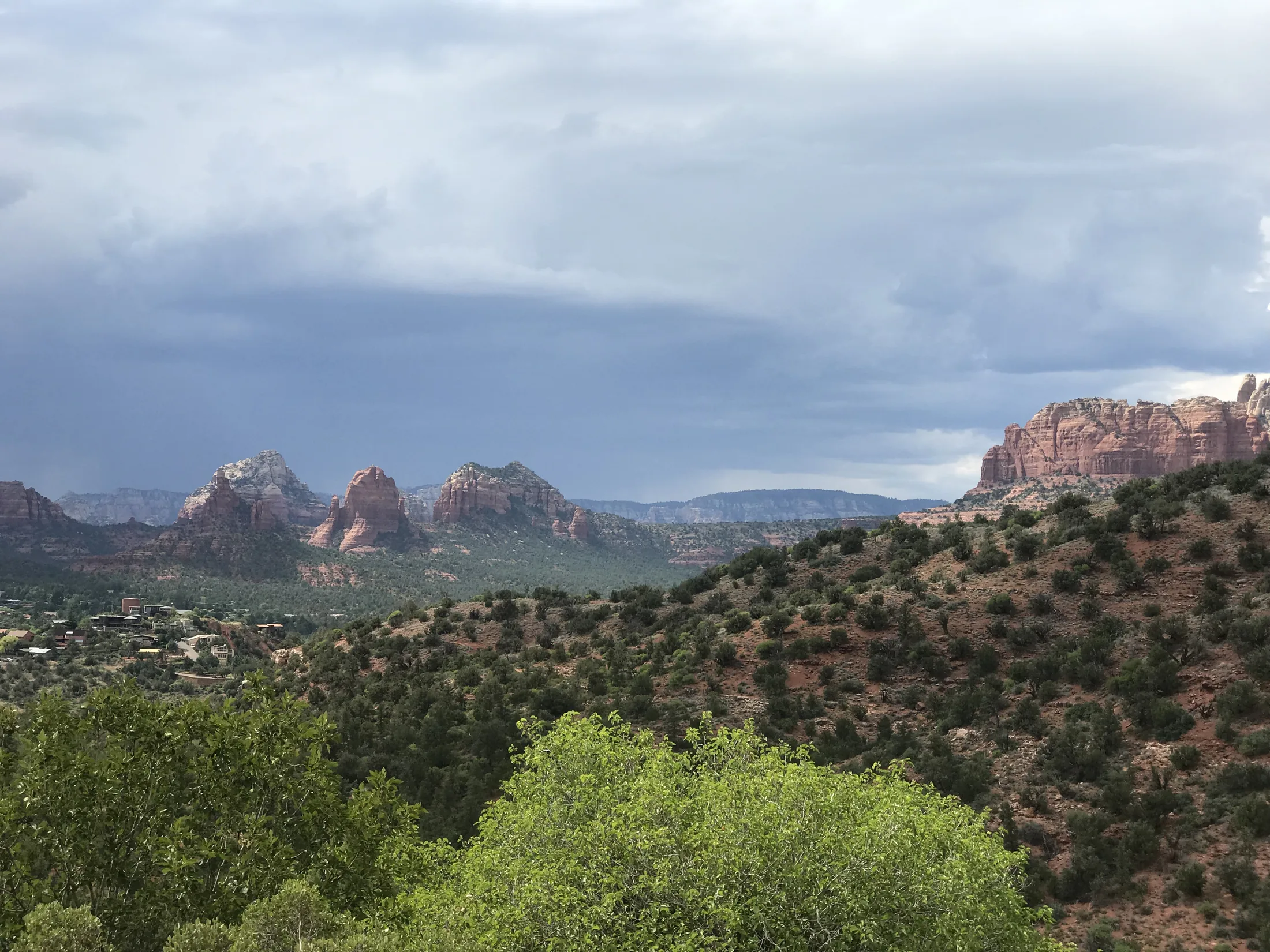
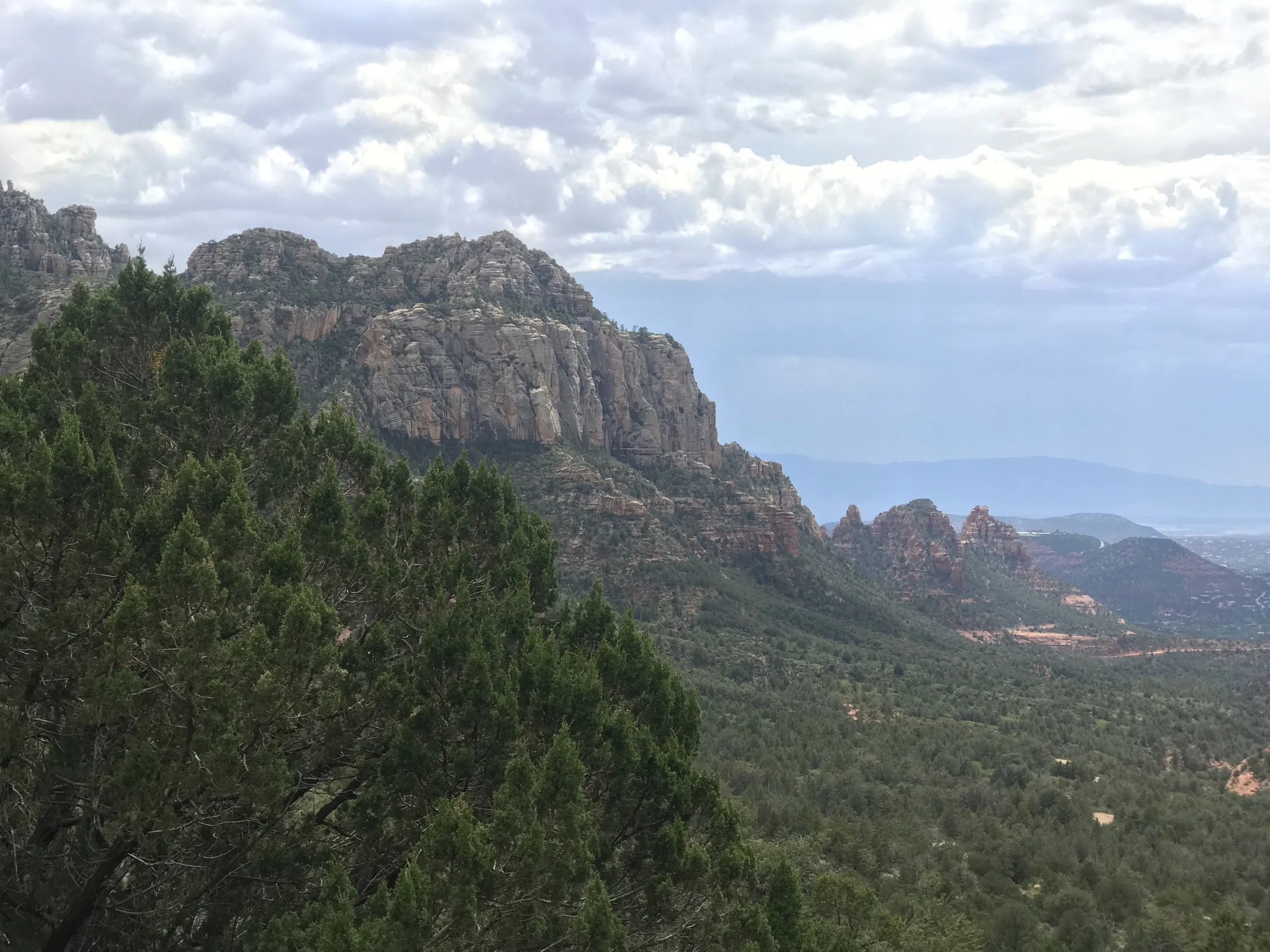
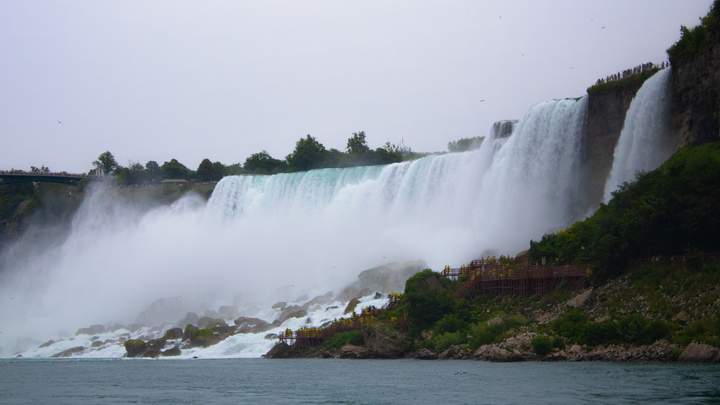
Environmental & Landscape
Weather, scale, distance, and fleeting light treated as active parts of the composition.
Open collection
Available light · 7 frames
Environmental & Landscape
Weather, scale, distance, and fleeting light treated as active parts of the composition.
Open collection
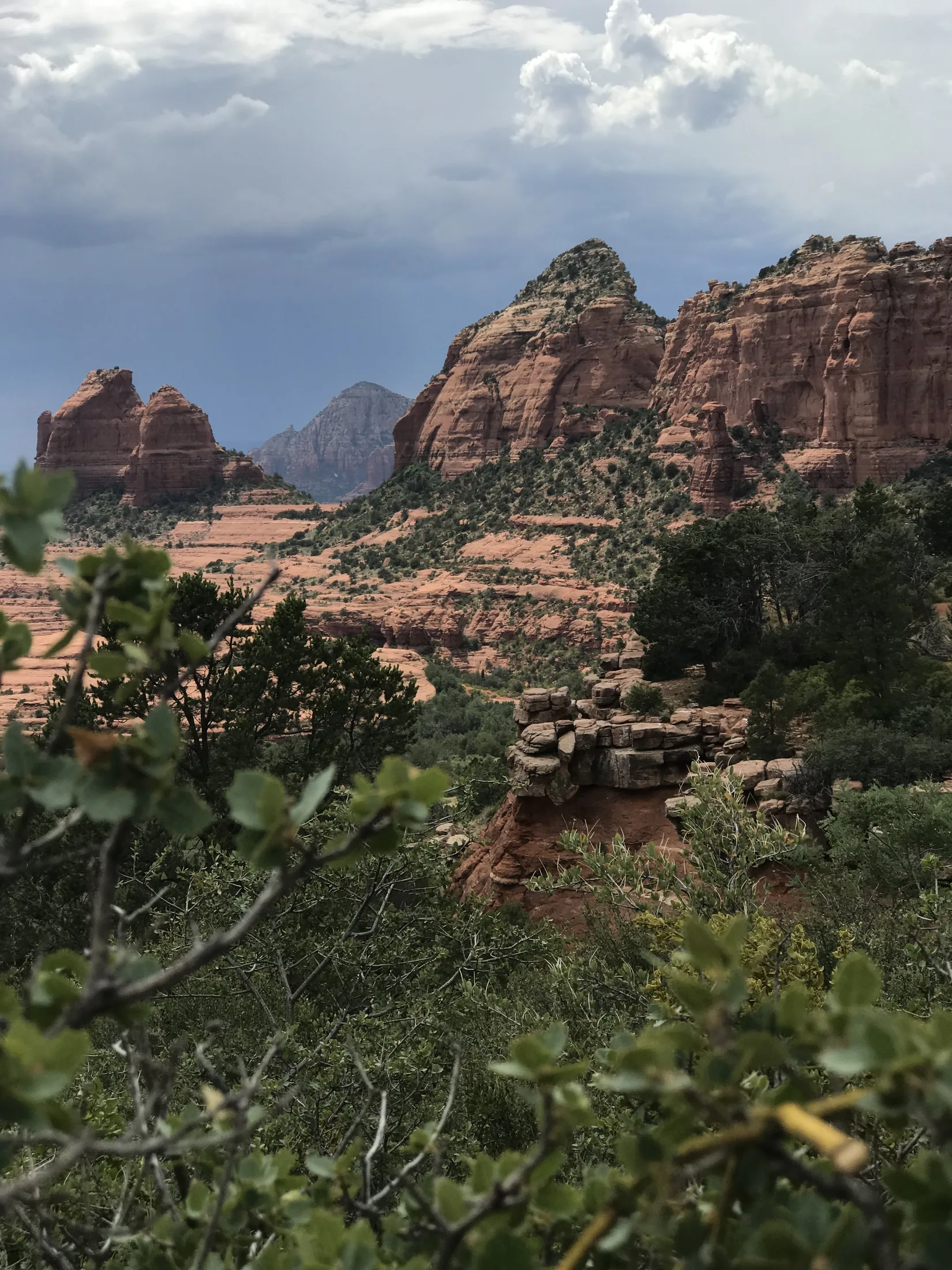

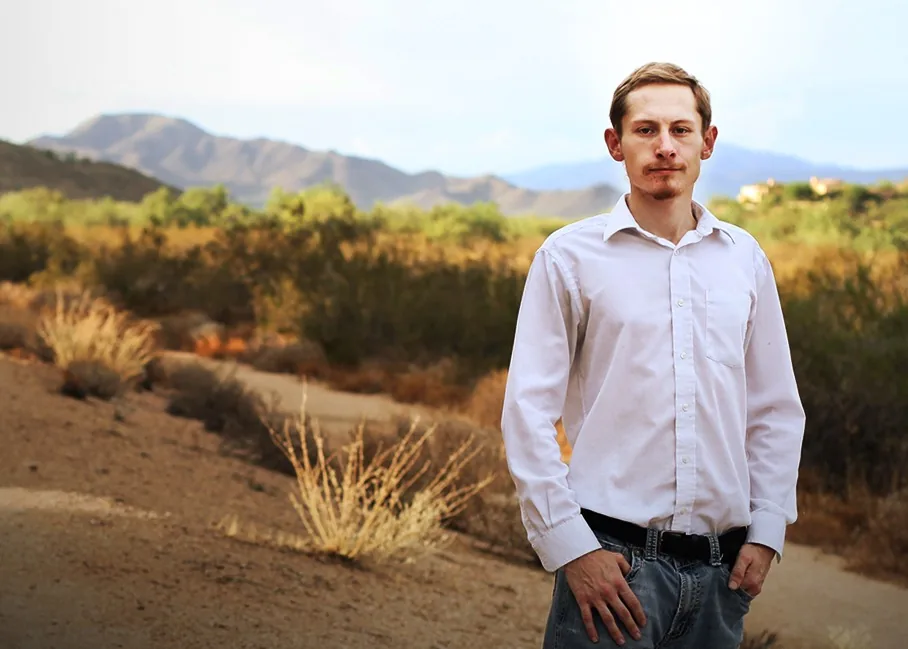 Art direction & post-production · 7 images
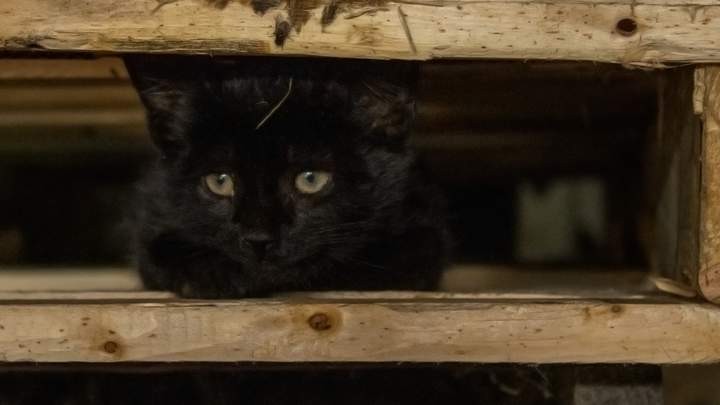
Editorial Portrait Direction
Self-directed location and studio sessions developed from pose and environment through retouching and publication treatments.
Open collection
Art direction & post-production · 7 images
Editorial Portrait Direction
Self-directed location and studio sessions developed from pose and environment through retouching and publication treatments.
Open collection

Delivery, output, and presentation standards
A file is not done when it leaves the raw processor; it is done when the next person can work it without extra cleanup passes. Naming, folders, exports matched to the channel, and explicit alignment when a third party owns the spec. That is the same discipline as capture and intake, just at the handoff.
More on the broader pillar: Graphic Design. Post-capture throughput: Image Correction System (High-Throughput Visual Processing).