Discovery First
My compositions usually begin at the piano without a finished map. I play until a harmonic direction, melody, or emotional peak appears strongly enough to organize the rest of the piece.
That peak does not always arrive early. Sometimes the strongest material appears one or two hours into the session. Locking a formal structure too soon can bury the better idea before it has time to surface.
Structure Follows the Peak
Once the central material is clear, I shape the surrounding structure around it. The goal is not to force every piece into the same section pattern. It is to preserve proportion, continuity, and direction so the discovered idea remains in control as the arrangement expands.
I treat the piece as an emotional wave. Themes develop forward instead of repeating as identical loops, and density changes carry momentum without requiring constant harmonic movement.
Artist at Work
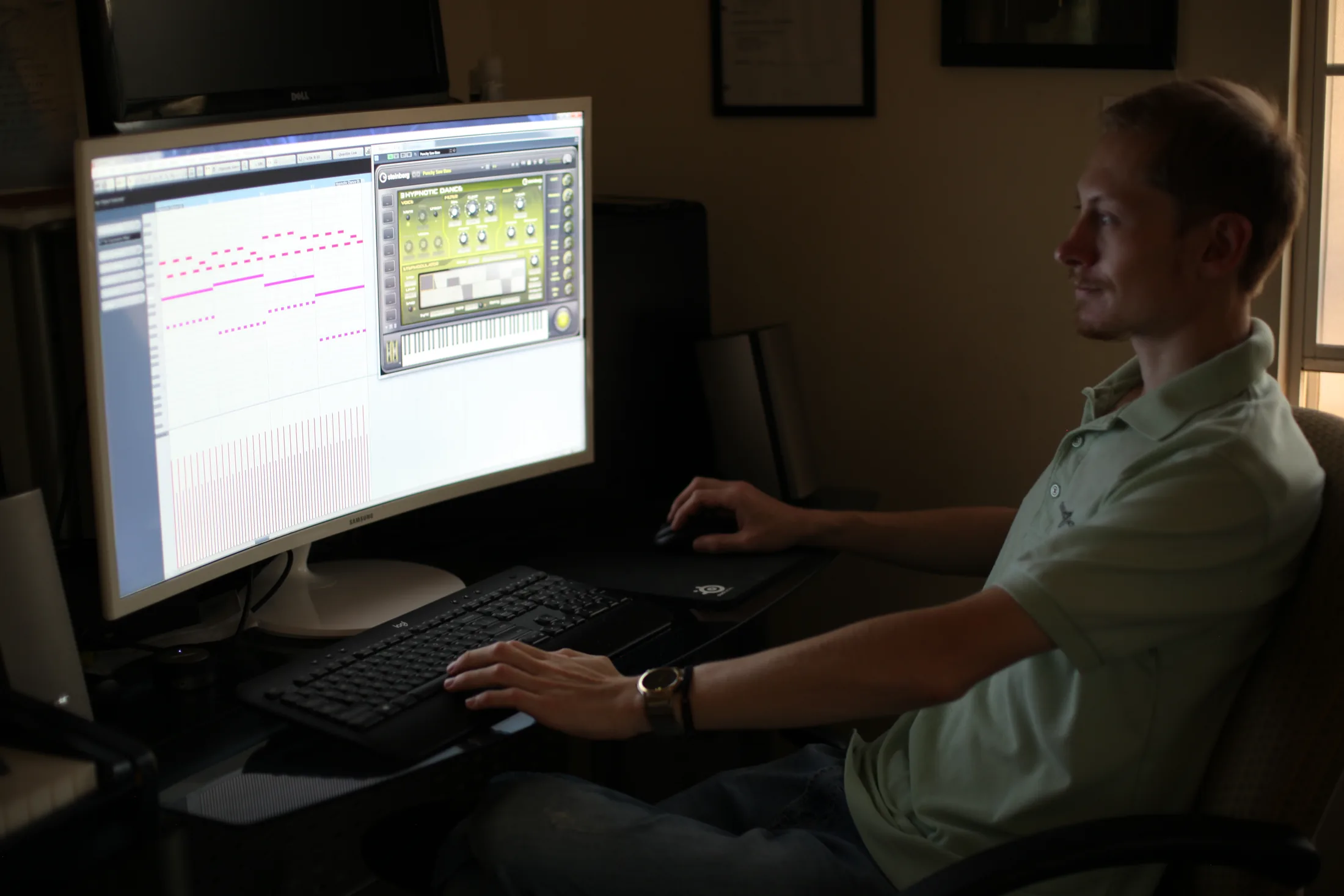
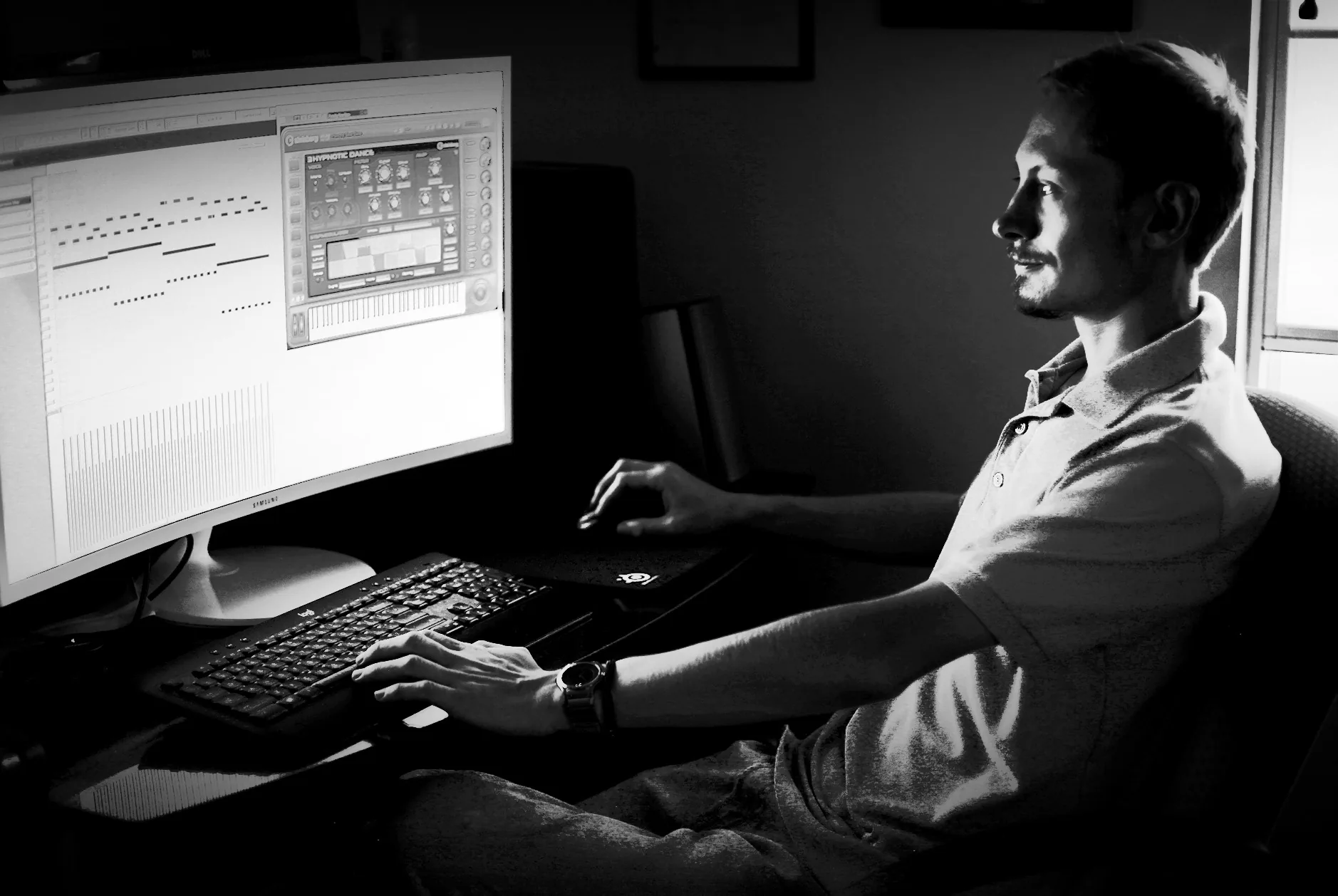
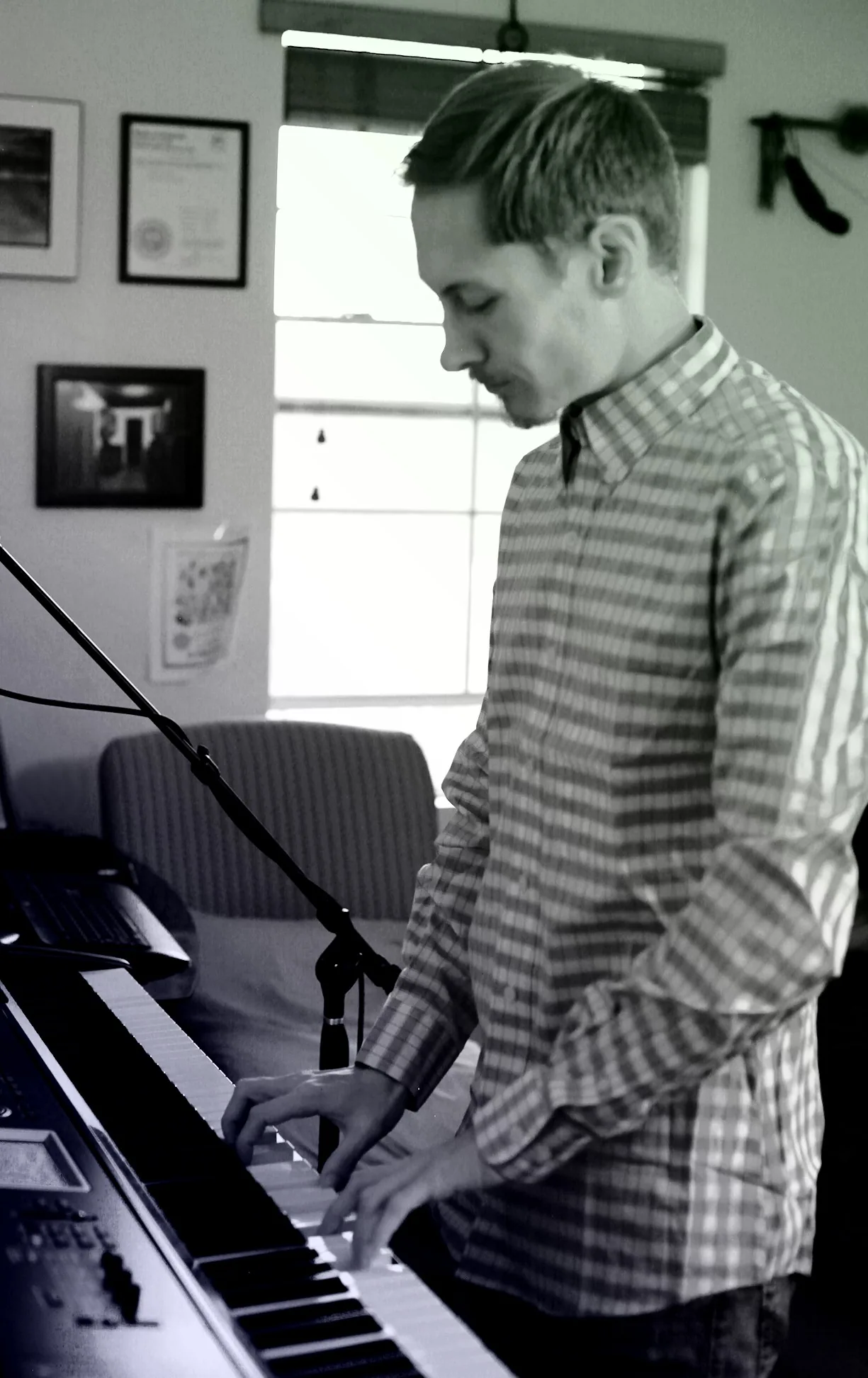
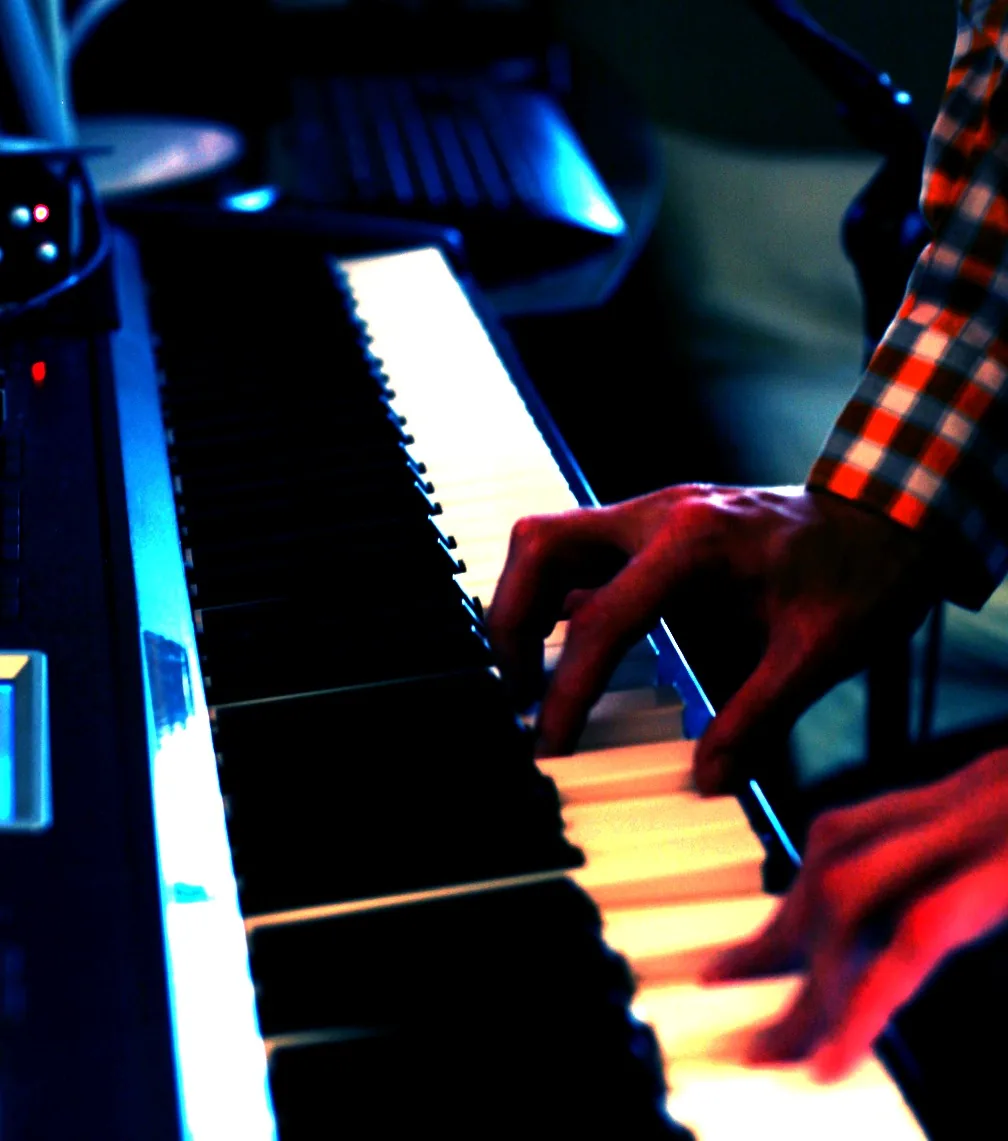
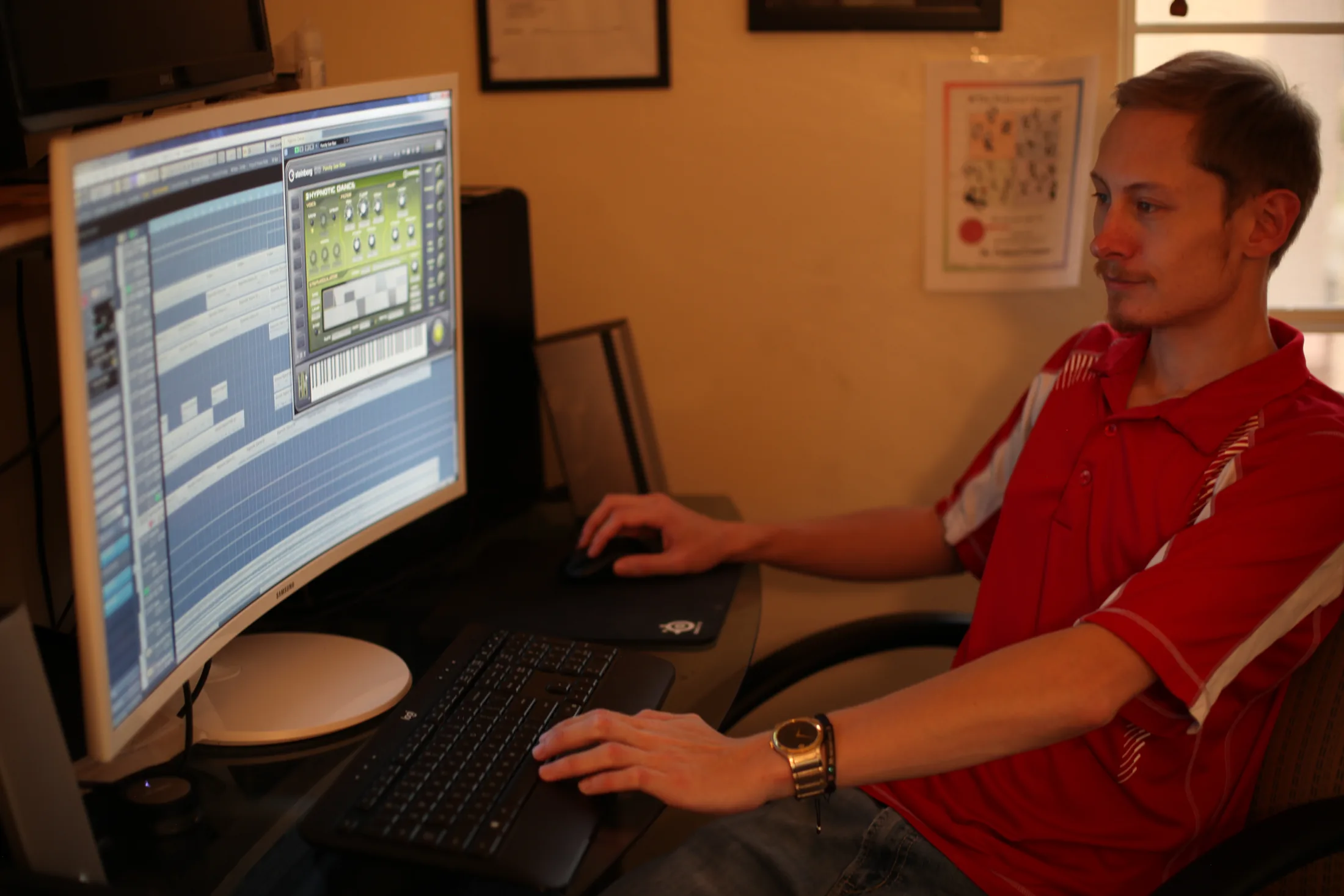
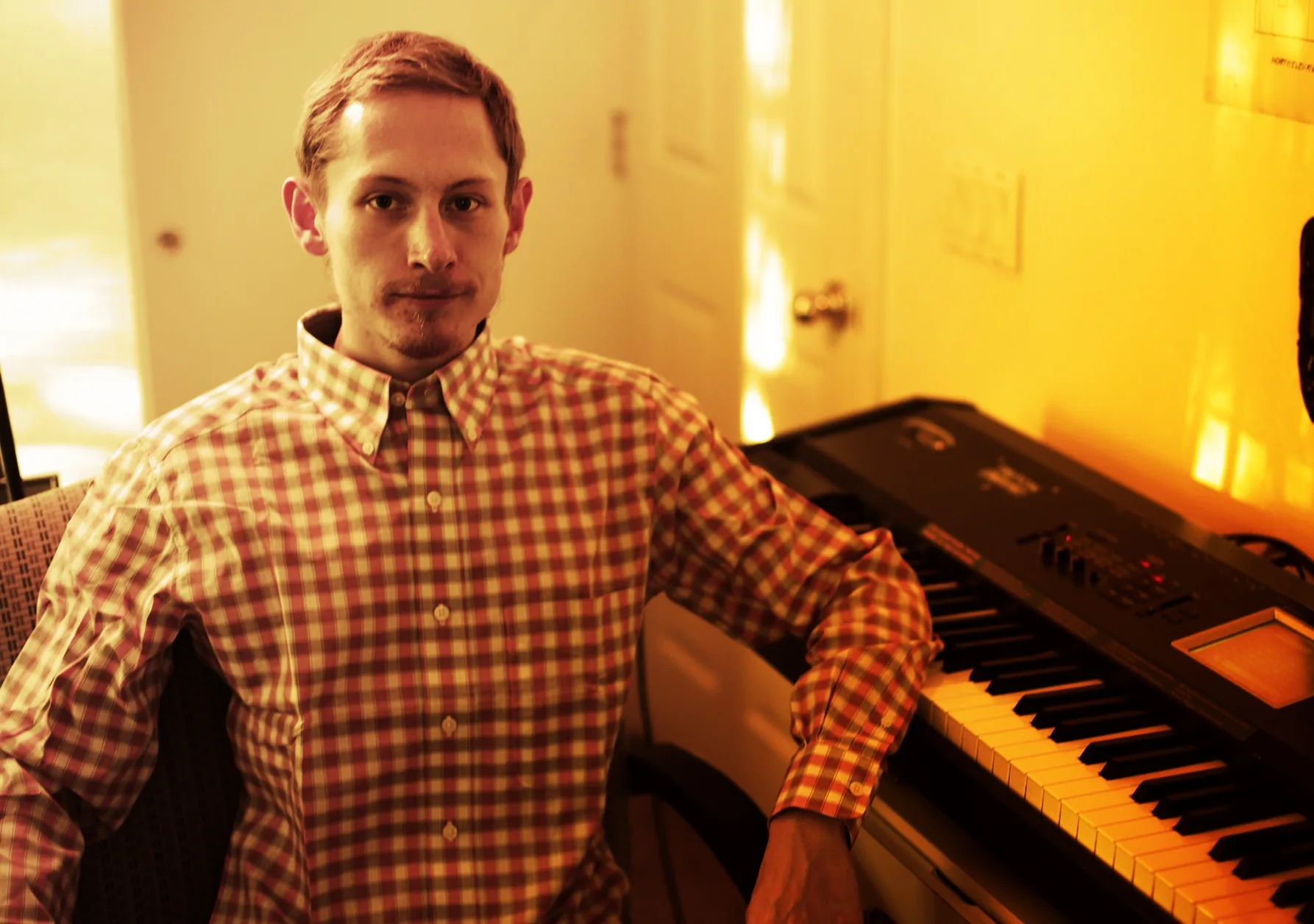
These archival images document the same habit that still drives the work: building at the keyboard, examining the arrangement onscreen, and moving between performance and detailed revision. The source-to-final pair also shows how I treated documentation as visual material rather than leaving it as an unedited studio snapshot.
Orchestration
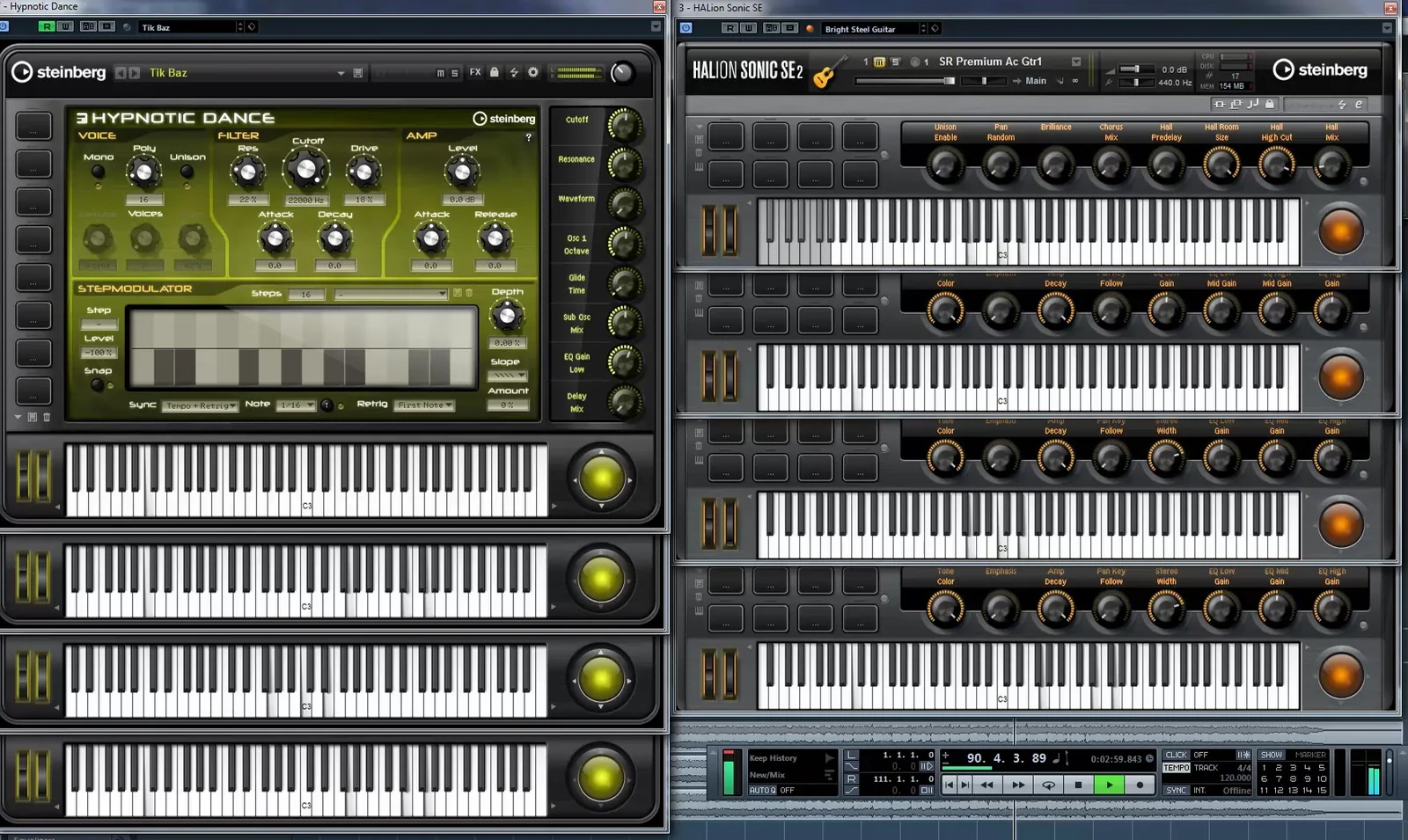
Piano remains the harmonic and thematic spine. Strings usually carry the main motion, while choir, pads, electronic layers, and restrained percussion widen the scale without competing for the same role.
Layers enter and leave deliberately. Presence, absence, register, articulation, and density do more of the work than stacking every available sound at once.
MIDI Performance and Revision
I keep the work in MIDI because it preserves control over phrasing and revision. Velocity shaping, timing offsets, articulation changes, dynamics, and manual humanization help the performance breathe while keeping the arrangement editable.
The back half of the process is listening and removal. Material that weakens the main line is restructured or cut. More sound is not automatically more impact.
Adaptive Session Structure
I am not a template-first composer. I may begin with an idea of how a piece should be shaped, but I prefer to approach each composition with a fresh setup and let the musical problem determine the session rather than forcing the work through a cookie-cutter arrangement.
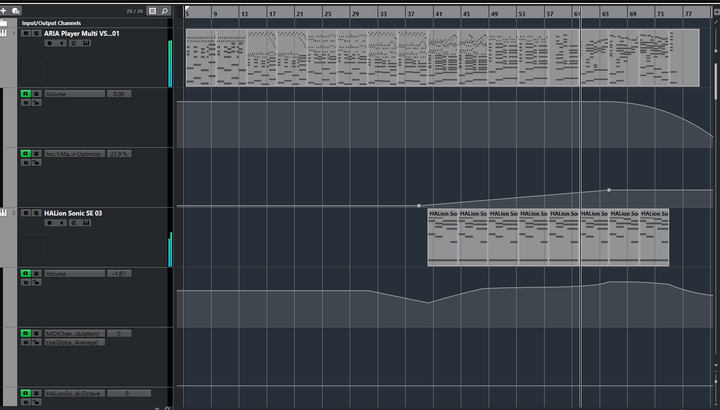
As the piece grows, the session becomes part score and part performance record: MIDI passages, instrument layers, automation curves, timing decisions, and revisions remain visible enough for me to keep shaping the composition directly. Organization supports the idea after it appears; it does not dictate the idea in advance.
Bring What the Client Needs
My answer to collaboration is simple: I bring whatever the client needs. I have worked live with remote clients in browser-based DAWs such as Soundtrap, exchanged recordings and revision passes through SoundBetter, worked in person, and moved my full studio to client locations for performance and recording.
The format changes with the job. A client may need a shared session evolving in real time, a back-and-forth recording process, an onsite performance setup, or clearly labeled stems and finals that can move directly into editing, licensing, or release. I do not make the project conform to one preferred method.
When files do leave my hands, I keep the handoff clear: current versions are identifiable, stem groups make sense, revision notes state what changed, and the package carries enough context for the next person to continue.